
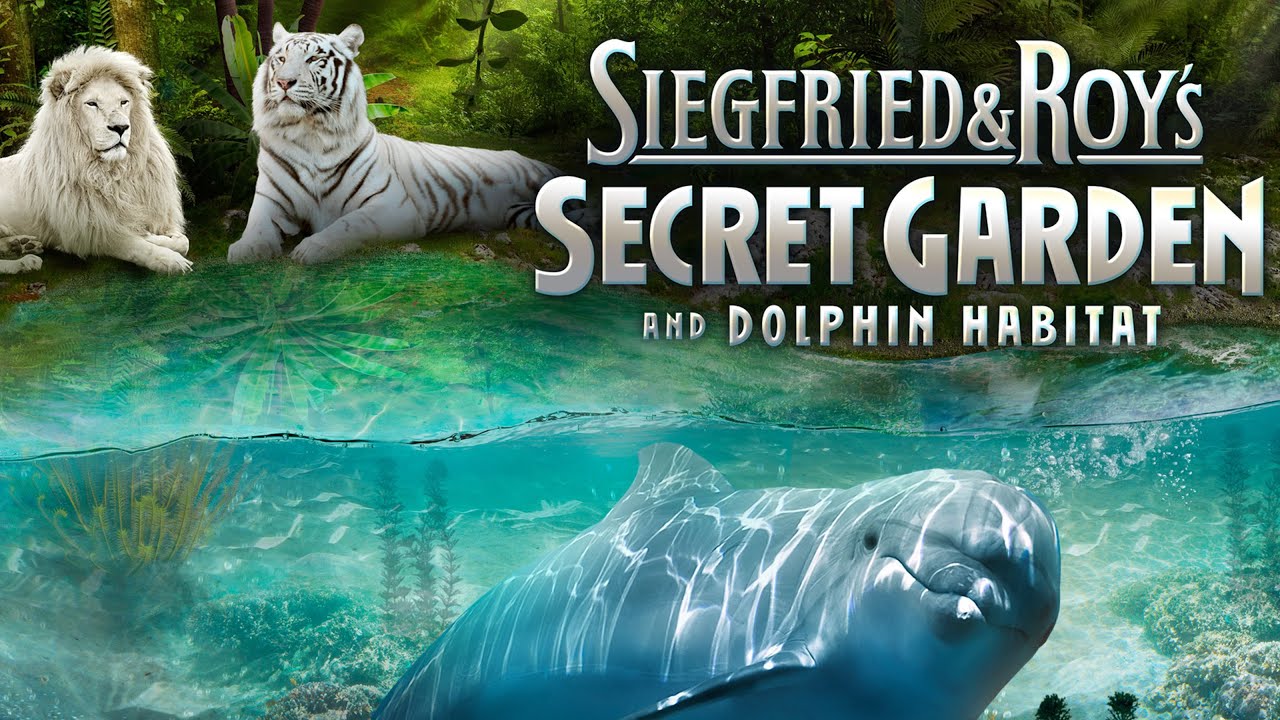
Secret garden and dolphin habitat photos have become a powerful way to experience nature beyond words. In a world dominated by fast-paced digital content, these images invite viewers to pause, breathe, and reconnect with the quiet beauty of the natural world. From hidden green sanctuaries filled with lush foliage to expansive oceans where dolphins glide freely, such photography captures moments that feel both rare and deeply emotional. These visuals are not just photographs; they are windows into ecosystems that many people may never visit in person.
The appeal of secret garden and dolphin habitat photos lies in their ability to tell stories without narration. A single image of a sunlit garden path can evoke mystery, calm, and nostalgia, while a photograph of dolphins swimming in their natural habitat can spark wonder, joy, and respect for marine life. Together, these two themes represent the harmony between land and sea, reminding us that Earth’s beauty exists in many forms, often hidden from plain sight.
As interest in eco-tourism, wildlife conservation, and mindful living grows, so does the demand for authentic, ethical, and visually striking nature photography. Secret garden and dolphin habitat photos are now widely used in travel blogs, educational platforms, social media, and even interior design. This article explores their meaning, significance, and impact, while highlighting how such images inspire appreciation and protection of our planet.
Understanding the Concept of Secret Garden Photography
Secret garden photography revolves around the idea of discovering hidden or lesser-known natural spaces that feel untouched and intimate. These gardens may be literal—secluded botanical gardens, private estates, or forgotten ruins reclaimed by nature—or metaphorical, representing any green space that feels personal and removed from the outside world. Secret garden and dolphin habitat photos often share this sense of exclusivity, offering viewers a glimpse into environments that feel almost magical.
What makes secret garden photos so captivating is their atmosphere. Soft natural light filtering through leaves, winding paths covered in moss, blooming flowers in unexpected corners, and the interplay of shadows all contribute to a dreamlike quality. These images encourage imagination, allowing viewers to create their own stories about who might have walked these paths before or what secrets the garden holds. The lack of human presence in many secret garden photos further enhances their sense of mystery and tranquility.
From an artistic perspective, secret garden photography is about patience and observation. Photographers often wait for the right moment when light, weather, and natural elements align perfectly. This approach mirrors the slow, mindful experience of being in such a space. In the broader context of secret garden and dolphin habitat photos, garden imagery represents grounded serenity and connection to the earth, forming a visual balance with the fluid, dynamic world of marine life.
Exploring Dolphin Habitat Photos
Dolphin habitat photos focus on capturing dolphins in their natural environments, such as open oceans, coastal waters, and marine reserves. Unlike staged or captive settings, authentic dolphin habitat photography emphasizes freedom, movement, and natural behavior. These images often show dolphins swimming in pods, leaping above waves, or gliding effortlessly beneath the surface, highlighting their intelligence and social nature.
The emotional impact of dolphin habitat photos is immediate and universal. Dolphins are widely regarded as symbols of joy, playfulness, and harmony, making them especially appealing subjects. When photographed ethically, without disturbing their natural routines, dolphins appear relaxed and curious, offering viewers a genuine connection to marine life. Secret garden and dolphin habitat photos together create a narrative of coexistence, reminding us that both land and sea ecosystems deserve respect and protection.
Beyond aesthetics, dolphin habitat photos play an important educational role. They help people understand where dolphins live, how they interact with their environment, and the challenges they face due to pollution, climate change, and human activity. By showcasing dolphins in clean, thriving habitats, photographers can also emphasize what is at stake if these environments are not preserved. In this way, dolphin habitat photography becomes a tool for awareness, advocacy, and conservation.
The Visual Connection Between Secret Gardens and Dolphin Habitats
At first glance, secret gardens and dolphin habitats may seem unrelated, one rooted in greenery and soil, the other in water and waves. However, secret garden and dolphin habitat photos share several visual and emotional qualities that make them complementary. Both represent spaces of calm, beauty, and escape from urban life, offering viewers a sense of peace and reflection.
Visually, these two styles of photography rely heavily on natural light, organic textures, and harmonious compositions. In secret garden photos, light dances through leaves and petals, while in dolphin habitat photos, sunlight filters through water, creating patterns and movement. Color palettes often overlap as well, with greens, blues, and earthy tones dominating both types of imagery. This visual consistency allows photographers and content creators to blend garden and marine photos seamlessly in galleries or storytelling projects.
On a deeper level, combining secret garden and dolphin habitat photos creates a holistic view of nature’s diversity. Gardens symbolize growth, shelter, and rootedness, while dolphins represent freedom, motion, and intelligence. Together, they tell a broader story about the interconnectedness of ecosystems and the importance of preserving balance across the planet. This connection resonates strongly with audiences seeking meaningful, nature-focused content.
Popular Locations for Secret Garden and Dolphin Habitat Photos
Around the world, there are countless locations ideal for capturing stunning secret garden and dolphin habitat photos. Secret gardens can be found in unexpected places, such as historic European estates, Asian temple gardens, abandoned urban spaces reclaimed by plants, and remote countryside retreats. These locations often offer unique architectural elements, rare plant species, and a sense of timelessness that enhances their photographic appeal.
Dolphin habitats, on the other hand, are commonly found in coastal regions with clean waters and abundant marine life. Areas such as tropical islands, protected marine parks, and quiet bays are popular among wildlife photographers. These locations provide opportunities to capture dolphins in their natural social structures, interacting with each other and their surroundings. Timing and seasonality play a crucial role, as dolphin activity can vary depending on migration patterns and water conditions.
What makes these locations especially valuable is their authenticity. Lesser-known or protected areas often yield the most compelling secret garden and dolphin habitat photos because they remain relatively undisturbed. Photographers who invest time in researching and respecting these environments are more likely to capture images that feel genuine and emotionally resonant, rather than overly commercial or staged.
Ethical and Conservation Considerations
Ethics are central to the creation of meaningful secret garden and dolphin habitat photos. In garden environments, this means avoiding damage to plants, respecting private property, and minimizing human impact. Photographers should leave no trace, ensuring that the beauty they capture remains intact for future visitors and wildlife. Responsible behavior enhances the authenticity and integrity of the images produced.
When it comes to dolphin habitat photography, ethical considerations are even more critical. Dolphins should never be chased, fed, or coerced into interaction for the sake of a photo. Maintaining a respectful distance and following local wildlife guidelines ensures that dolphins remain safe and stress-free. Ethical dolphin habitat photos not only protect marine life but also convey a message of respect and coexistence to viewers.
Conservation-focused photography has the power to influence public perception and policy. By showcasing healthy ecosystems through secret garden and dolphin habitat photos, photographers can inspire people to support environmental initiatives and sustainable practices. Images that highlight the beauty of nature also highlight what could be lost, making them a quiet yet powerful form of advocacy.
Conclusion
Secret garden and dolphin habitat photos offer more than visual pleasure; they provide a deeper connection to the natural world. Through hidden gardens and open oceans, these images remind us of nature’s diversity, resilience, and fragility. They encourage mindfulness, curiosity, and respect, inviting viewers to slow down and appreciate the environments that sustain life on Earth.
By blending artistic creativity with ethical responsibility, photographers and content creators can use secret garden and dolphin habitat photos to tell stories that inspire conservation and wonder. In doing so, they help preserve not only the images themselves but also the real-world spaces and creatures that make such beauty possible.
Frequently Asked Questions
What are secret garden and dolphin habitat photos?
They are nature photographs that capture hidden or secluded gardens and dolphins in their natural marine environments, emphasizing beauty, authenticity, and tranquility.
Why are these photos so popular online?
They evoke calm, curiosity, and emotional connection, making them highly shareable and appealing for travel, wellness, and nature-focused content.
Are dolphin habitat photos ethical to take?
Yes, when captured responsibly without disturbing dolphins or their environment and by following wildlife protection guidelines.
Where are the best places to find secret garden photos?
Historic estates, botanical gardens, remote countryside locations, and lesser-known green spaces often offer ideal settings.
How do these photos support conservation?
By showcasing the beauty and importance of natural ecosystems, they raise awareness and inspire people to protect and preserve the environment.
Also Read: Capybara Meme