
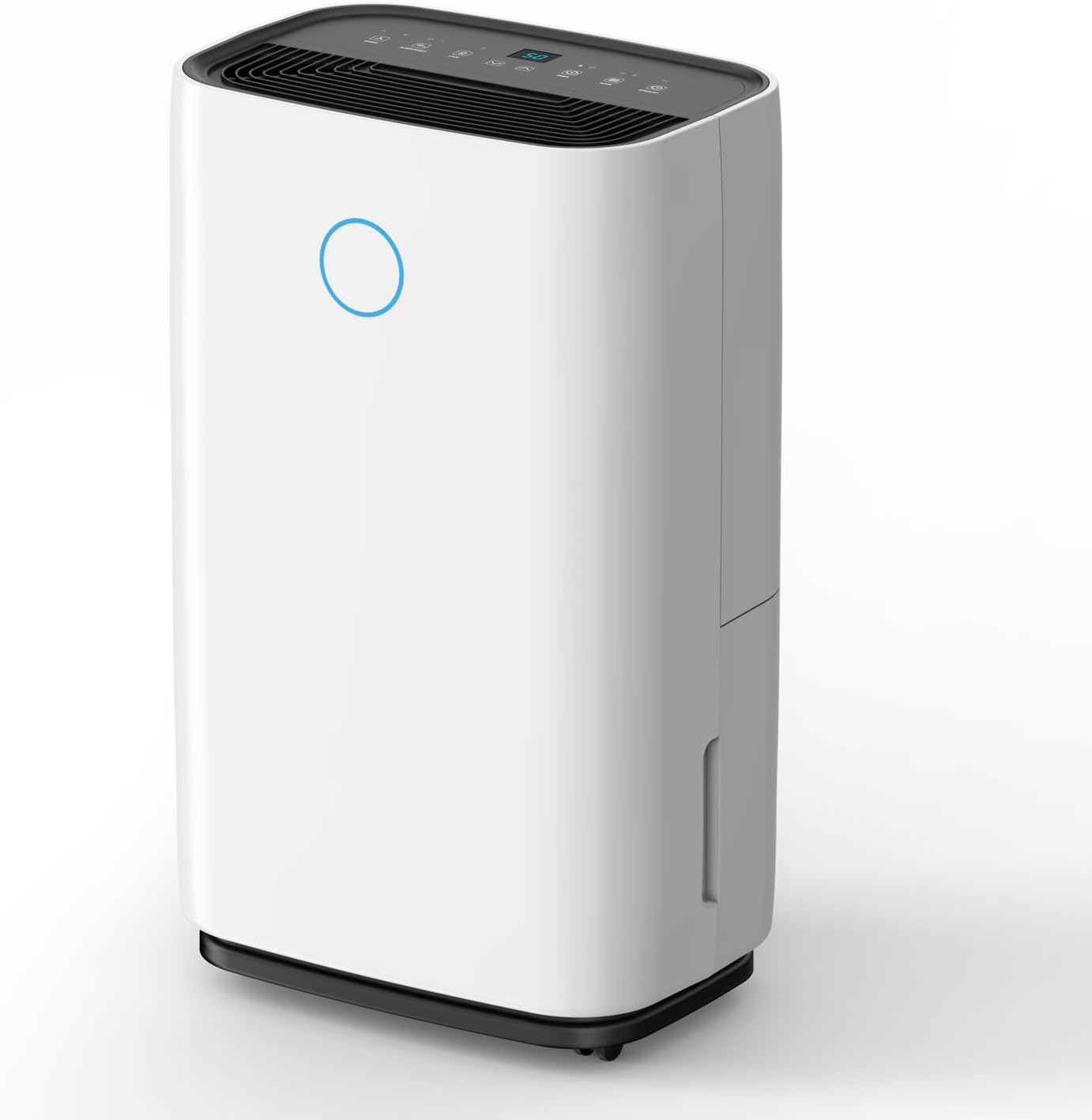
A Dehumidifier for Basement spaces is one of the most effective solutions for controlling excess moisture in homes where humidity tends to build up unnoticed. Basements are naturally more vulnerable to dampness due to their underground location, limited ventilation, and constant exposure to soil moisture. Without proper humidity control, these spaces can quickly develop musty odors, condensation, and mold growth that affect the entire home.
When moisture levels remain high for long periods, they don’t just cause discomfort—they also create serious health and structural risks. Using a Dehumidifier for Basement environments helps regulate indoor humidity, protects stored belongings, and improves overall air quality. Homeowners who invest in moisture control early often avoid costly repairs and long-term damage.
Whether your basement is finished or unfinished, used for storage or living space, managing humidity should be a priority. Understanding how dehumidifiers work and how to use them properly can turn a damp basement into a clean, comfortable, and usable area year-round.
What Is a Dehumidifier and How Does It Work?
A dehumidifier is an appliance designed to remove excess water vapor from indoor air. In a basement setting, it draws in humid air, cools it to condense moisture, and then releases drier air back into the room. The collected water is stored in a tank or drained through a hose, depending on the model.
Most units designed as a Dehumidifier for Basement use compressor-based technology. These systems are highly effective in warm, humid environments and can remove large amounts of moisture daily. As air passes over cold coils, moisture condenses and is separated from the air, lowering overall humidity.
Some models use desiccant technology, which absorbs moisture using specialized materials. These units work better in cooler basements but are usually smaller and less powerful. Regardless of type, the goal remains the same: maintain balanced humidity that discourages mold and improves indoor comfort.
Why You Need a Dehumidifier for Basement Areas
Basements are exposed to moisture from multiple sources, including groundwater seepage, condensation, plumbing leaks, and poor ventilation. Over time, this moisture accumulates, creating ideal conditions for mold, mildew, and bacteria. Installing a Dehumidifier for Basement use helps break this cycle by continuously removing excess humidity from the air.
Health is one of the biggest reasons homeowners choose to control basement moisture. Mold spores can travel through ventilation systems and impact living areas upstairs. By using a Dehumidifier for Basement spaces, you significantly reduce allergens, respiratory irritants, and unpleasant odors that compromise indoor air quality.
Moisture also damages building materials. Wood can warp or rot, metal can corrode, and insulation can lose effectiveness. Controlling humidity protects your home’s foundation, electrical systems, and stored items while extending the life of your property.
Types of Dehumidifiers for Basement Use
There are several types of dehumidifiers available, each designed for different conditions. Refrigerant dehumidifiers are the most common choice and are ideal for large, damp basements. They offer high capacity and strong moisture removal performance.
Desiccant dehumidifiers are better suited for colder environments where compressor models may struggle. While quieter and lighter, they are typically less efficient for large spaces and may consume more energy over time.
Whole-house systems are another option for homeowners with widespread humidity issues. These systems integrate with HVAC units and act as a centralized Dehumidifier for Basement and upper floors alike. Although more expensive upfront, they provide consistent, long-term moisture control.
Key Features to Look for in a Dehumidifier for Basement
Choosing the right features can dramatically improve performance and ease of use. Capacity is one of the most important factors and is measured in pints per day. Larger basements with severe dampness require higher-capacity units to maintain optimal humidity.
Energy efficiency should also be a top consideration. An Energy Star–rated Dehumidifier for Basement operation reduces electricity consumption while maintaining strong performance. This is especially important since basement units often run for extended periods.
Additional features such as digital humidistats, automatic shutoff, continuous drainage options, and built-in pumps make daily operation more convenient. Washable filters and smart controls also reduce maintenance and improve long-term reliability.
Choosing the Right Size Dehumidifier for Your Basement
Selecting the correct size ensures effective moisture removal without wasting energy. A small basement with mild dampness may only need a 30-pint unit, while large or extremely wet basements often require 50- to 70-pint models.
When choosing a Dehumidifier for Basement sizing, consider square footage, ceiling height, and how damp the space feels. Visible condensation, water stains, or musty odors indicate higher humidity levels that require stronger capacity.
Oversized units may cycle on and off frequently, while undersized ones struggle continuously. Proper sizing improves efficiency, extends the lifespan of the unit, and ensures consistent humidity control.
Best Placement Tips for a Basement Dehumidifier
Placement plays a critical role in effectiveness. For best results, position the unit in the dampest area or near known moisture sources. Ensure there is enough clearance around the unit for proper airflow.
Central placement often works best for even humidity reduction across the space. In larger basements, one high-capacity Dehumidifier for Basement solution may be sufficient, but some layouts may require multiple units.
Always consider drainage access and power outlets. Continuous drainage systems or pumps reduce the need for manual emptying, making long-term use more convenient.
Maintenance and Care for Basement Dehumidifiers
Regular maintenance ensures consistent performance and energy efficiency. Cleaning filters every few weeks prevents dust buildup and improves airflow. Water tanks should be emptied and cleaned to prevent bacterial growth.
If your Dehumidifier for Basement uses a drain hose or pump, inspect it periodically for clogs or leaks. Keeping coils clean also improves moisture removal and reduces strain on internal components.
Proper care extends the life of your unit, reduces operating costs, and ensures reliable humidity control throughout the year.
Conclusion
Using a Dehumidifier for Basement environments is a smart, proactive approach to moisture control, health protection, and home preservation. By selecting the right type, size, and features—and maintaining it properly—you can transform a damp basement into a safe and comfortable space.
Consistent humidity control not only improves air quality but also protects your home’s structure and value. With the right strategy, a dry basement becomes a long-term asset rather than a recurring problem.
Frequently Asked Questions
What is the ideal humidity level for a basement?
The recommended level is between 30% and 50% to prevent mold growth.
Can a dehumidifier eliminate musty smells?
Yes, reducing moisture removes the conditions that cause odors.
How long should a basement dehumidifier run daily?
Most units run continuously with automatic humidistats.
Is a pump drain necessary?
It is helpful when gravity drainage is not possible.
Can one unit handle a large basement?
A high-capacity Dehumidifier for Basement can manage large areas effectively when properly sized.
Also Read: Who Invented Electricity