
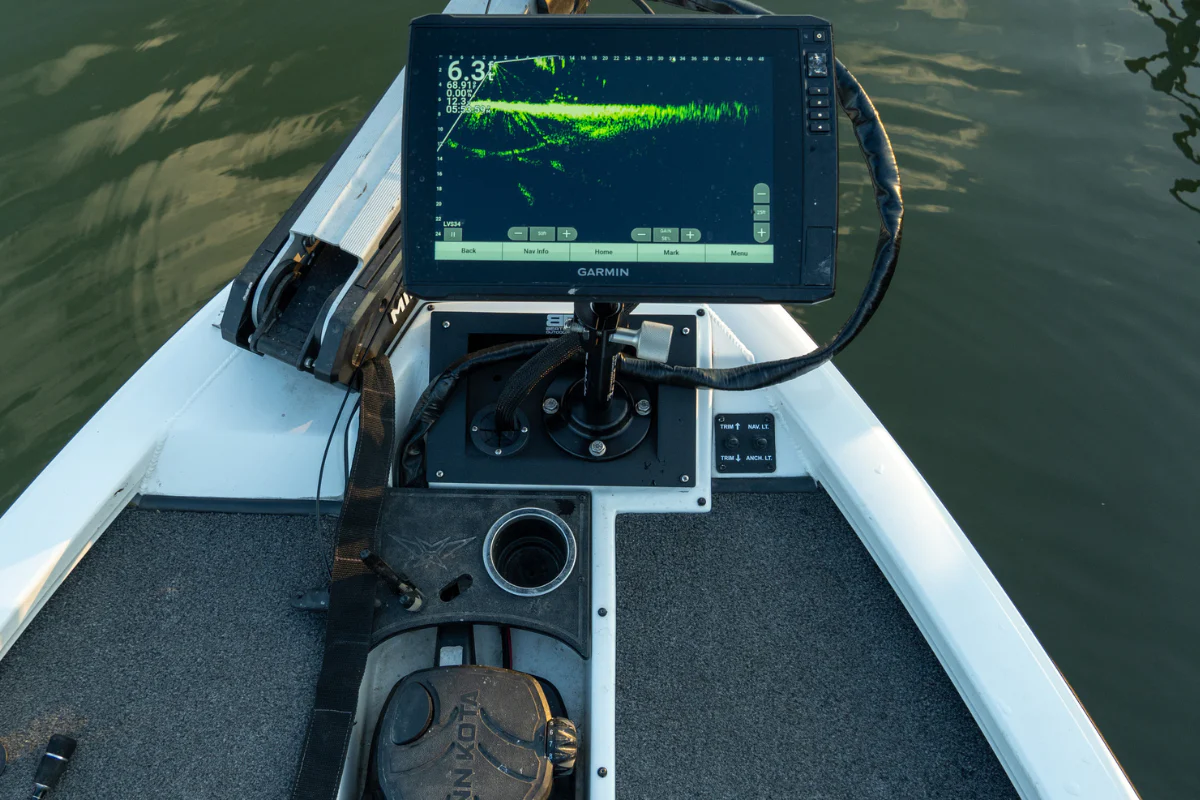
Forward facing sonar has rapidly become one of the most talked-about innovations in modern fishing, fundamentally changing how anglers locate, track, and catch fish. Unlike traditional sonar systems that only show what’s directly beneath or behind a boat, forward facing sonar allows anglers to see what lies ahead in real time. This breakthrough has shifted fishing from a largely instinct-based activity to a more data-driven and visual experience, where decisions are made based on live underwater feedback rather than guesswork.
For recreational anglers, this technology opens up an entirely new learning curve, making it easier to understand fish behavior, structure, and lure presentation. For professional and tournament anglers, forward facing sonar has become a competitive edge that can mean the difference between winning and losing. As more anglers adopt this technology, understanding how it works and how to use it effectively has become essential rather than optional.
This in-depth guide explores forward facing sonar from every angle. From how the technology works and what features matter most, to its advantages, limitations, and real-world applications, this article is designed to help anglers of all experience levels make informed decisions. Whether you are considering your first system or looking to refine your technique, this guide provides a complete, practical understanding of forward facing sonar.
What Is Forward Facing Sonar?
Forward facing sonar is an advanced fish-finding technology that provides real-time, live imaging of underwater environments in front of the boat. Instead of relying on historical data or delayed sonar returns, anglers can see fish, structure, and even their lure movements as they happen. This live feedback allows for immediate adjustments, making fishing more interactive and precise than ever before.
Traditional sonar systems typically scan downward or backward, creating a two-dimensional image based on past signals. Forward facing sonar, by contrast, continuously refreshes its display, showing moving targets in real time. This capability makes it easier to distinguish fish from structure, identify species behavior, and observe how fish respond to different presentations. The result is a much clearer understanding of what is happening beneath the surface.
The development of forward facing sonar represents the culmination of decades of sonar innovation. Advances in signal processing, transducer design, and display technology have made it possible to deliver highly detailed live images. As a result, forward facing sonar has moved from being a niche tool used by elite anglers to a mainstream technology embraced by fishing enthusiasts worldwide.
How Forward Facing Sonar Works
At its core, forward facing sonar works by emitting high-frequency sound waves from a transducer mounted on the boat. These sound waves travel through the water, bounce off objects such as fish or underwater structures, and return to the transducer. The system then processes these signals and converts them into real-time visual data displayed on a screen.
What sets forward facing sonar apart is its ability to process and display this information almost instantly. Advanced processors and software algorithms interpret the returning signals with minimal delay, allowing anglers to see movement as it happens. Fish swimming, bait moving, and even lure actions are visible, giving anglers unprecedented insight into underwater activity.
Understanding how to interpret these images is a key part of using forward facing sonar effectively. Fish appear as moving shapes or arcs, while structure appears more static. With practice, anglers can learn to identify species behavior, determine fish size, and assess whether fish are reacting to their bait. This level of detail transforms fishing into a more strategic and responsive activity.
Types of Forward Facing Sonar Systems
Forward facing sonar systems come in several configurations, designed to meet different fishing needs and environments. Some systems are standalone units, while others integrate seamlessly with existing fish finders and chartplotters. Integrated systems are particularly popular among anglers who want a centralized display for navigation, mapping, and sonar data.
There are also differences in how these systems are mounted and used. Some are optimized for freshwater fishing, while others are designed to handle the demands of saltwater environments. Kayak anglers and ice fishermen can now choose compact, portable forward facing sonar systems that deliver powerful performance without bulky installations.
Choosing the right type of system depends on factors such as fishing style, boat size, and target species. Anglers who fish open water may prioritize range and clarity, while those fishing shallow or structured environments may focus on precision and refresh rate. Understanding these differences helps anglers select a system that aligns with their specific goals.
Key Features and Specifications to Consider
When evaluating forward facing sonar systems, display quality is one of the most important factors. High-resolution screens with fast refresh rates provide clearer images and smoother motion tracking. Larger screens make it easier to interpret data quickly, especially when monitoring fish movement and lure presentation simultaneously.
Other critical features include adjustable viewing angles, range settings, and sensitivity controls. These options allow anglers to customize the system based on water depth, clarity, and fishing conditions. Integration with GPS and mapping software adds another layer of functionality, enabling anglers to mark productive spots and track movement patterns over time.
Power requirements and battery efficiency should also be considered. Forward facing sonar systems can be demanding on power, particularly during long fishing sessions. Choosing a system with efficient power management ensures consistent performance without frequent battery changes or interruptions.
Benefits of Using Forward Facing Sonar
One of the greatest benefits of forward facing sonar is the ability to locate and track fish in real time. Instead of casting blindly, anglers can target specific fish and observe how they react to different lures. This precision significantly improves catch rates and reduces wasted time.
Forward facing sonar also enhances learning and skill development. By seeing how fish behave in response to various techniques, anglers gain a deeper understanding of fish habits and preferences. Over time, this knowledge leads to better decision-making, even when fishing without advanced electronics.
For competitive anglers, the advantages are even more pronounced. Real-time feedback allows for rapid adjustments, helping anglers stay ahead of changing conditions. This technology has reshaped tournament fishing, raising both performance standards and strategic complexity.
Limitations and Challenges
Despite its advantages, forward facing sonar is not without limitations. Cost is one of the most significant barriers, as high-quality systems represent a substantial investment. Additionally, there is a learning curve involved in interpreting live sonar images accurately.
Environmental factors such as water clarity, depth, and structure can also affect performance. In heavily cluttered or extremely shallow environments, sonar returns may be harder to interpret. Ethical and regulatory considerations have also emerged, with some anglers questioning whether the technology provides an unfair advantage.
Understanding these challenges helps anglers set realistic expectations and use the technology responsibly. Forward facing sonar is a powerful tool, but it is most effective when combined with skill, experience, and ethical fishing practices.
Conclusion
Forward facing sonar has revolutionized modern fishing by providing anglers with real-time insight into the underwater world. Its ability to display live fish movement, structure, and lure action has transformed fishing from a guessing game into a highly interactive and strategic pursuit. While the technology requires investment and practice, its benefits are undeniable for anglers willing to learn.
As sonar technology continues to evolve, forward facing systems are likely to become even more advanced and accessible. Whether you are a weekend angler or a competitive professional, understanding forward facing sonar empowers you to fish smarter, learn faster, and connect more deeply with the underwater environment.
Frequently Asked Questions
What is forward facing sonar used for?
Forward facing sonar is used to locate, track, and observe fish and underwater structures in real time.
Is forward facing sonar difficult to learn?
While there is a learning curve, most anglers become proficient with practice and proper setup.
Does forward facing sonar work in shallow water?
Yes, but performance may vary depending on settings and environmental conditions.
Is forward facing sonar legal everywhere?
Regulations vary by region, so anglers should always check local fishing laws.
Is forward facing sonar worth the investment?
For anglers seeking precision, efficiency, and deeper insight into fish behavior, it is often considered well worth the cost.
Also Read: Best Trolling Motor Battery