
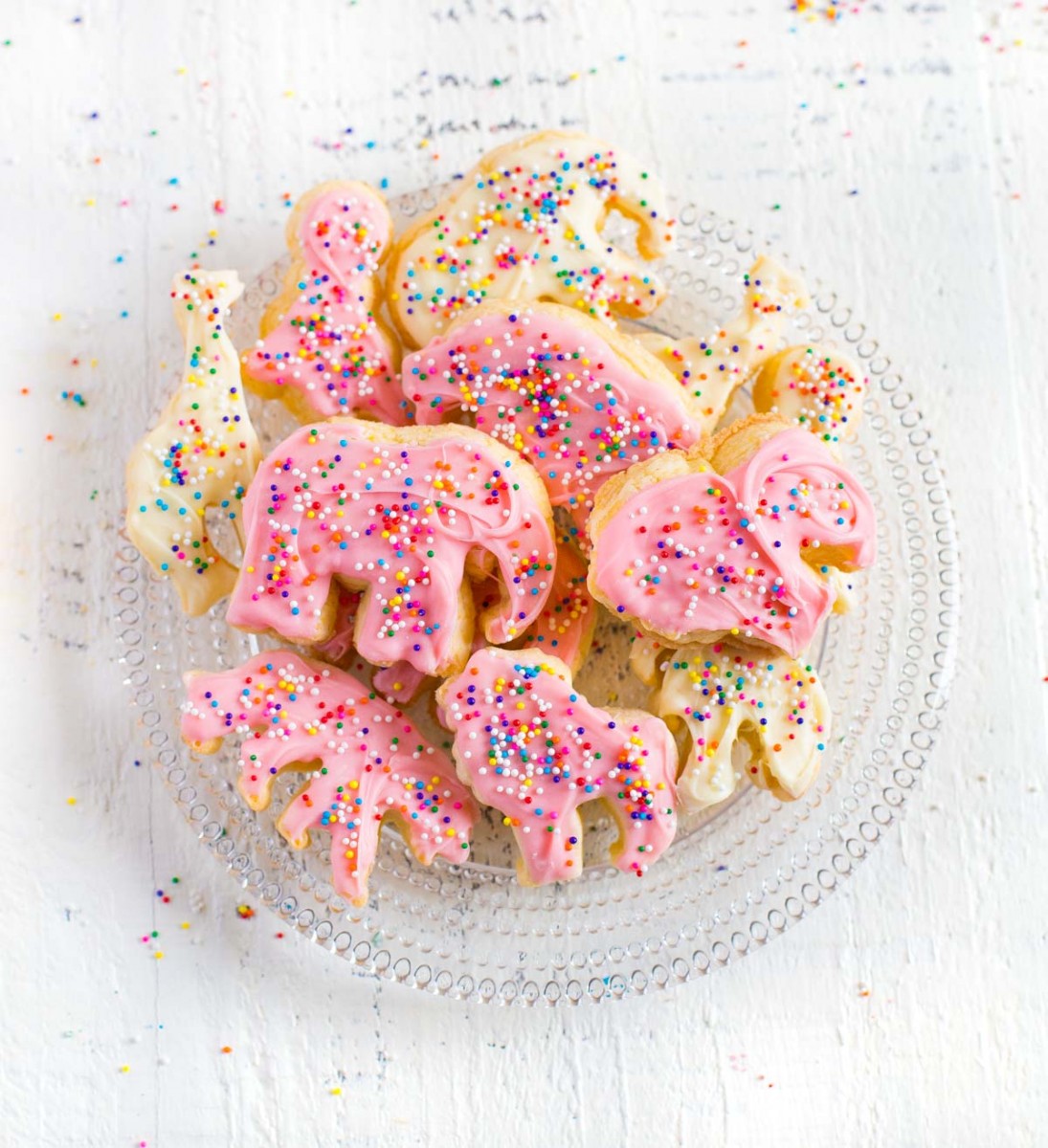
Frosted Animal Crackers are more than just a sweet snack—they are a symbol of childhood joy, nostalgia, and simple indulgence. Instantly recognizable by their pastel-colored frosting, playful sprinkles, and animal shapes, these crackers have held a special place in lunchboxes, party bowls, and pantry shelves for decades. Their visual charm and sugary crunch make them appealing not only to children but also to adults who associate them with carefree memories.
In today’s fast-evolving snack market, where trends come and go quickly, frosted animal crackers continue to stand strong. They balance familiarity with fun, offering a treat that feels comforting yet exciting. This article explores the complete world of frosted animal crackers—from their origins and ingredients to their popularity, nutritional considerations, and creative uses—providing a comprehensive guide for readers who want to understand why this classic snack remains so beloved.
What Are Frosted Animal Crackers?
Frosted animal crackers are bite-sized cookies shaped like animals such as lions, elephants, bears, and giraffes, coated with a thin layer of sweet frosting and topped with colorful nonpareil sprinkles. Unlike traditional animal crackers, which are plain and mildly sweet, frosted versions add an extra layer of flavor and visual appeal. The crackers themselves are light, crunchy, and subtly vanilla-flavored, serving as the perfect base for the sugary coating.
What truly sets frosted animal crackers apart is their playful design. The frosting is usually pink and white, though seasonal and limited-edition colors are also common. The animal shapes spark imagination and fun, making the snack feel more like a treat than a standard cookie. This combination of texture, sweetness, and whimsy is a major reason for their long-lasting popularity.
History and Origin of Frosted Animal Crackers
The story of frosted animal crackers begins with traditional animal crackers, which date back to the late 19th century. Originally inspired by European biscuits, animal crackers were introduced as a novelty snack shaped like zoo animals, appealing primarily to children. They gained popularity in the United States through iconic packaging, such as small circus-themed boxes.
Frosted animal crackers emerged much later, gaining mainstream attention in the late 20th century. The addition of frosting and sprinkles transformed a simple cracker into a dessert-like snack. This innovation aligned perfectly with changing consumer tastes, as sweeter, more visually exciting snacks became increasingly popular. Over time, frosted animal crackers evolved into a standalone category, distinct from their plain counterparts and deeply embedded in pop culture.
Ingredients and How Frosted Animal Crackers Are Made
At their core, frosted animal crackers are made from a simple dough consisting of flour, sugar, vegetable oil, and leavening agents. The dough is rolled out and stamped into animal shapes before being baked until crisp. This process ensures uniform texture and shape, which is essential for consistent frosting application.
The frosting is typically made from sugar, vegetable oils, and flavorings, with food coloring added to achieve the signature pink and white hues. After baking, the crackers are cooled and coated with frosting, then finished with sprinkles. Modern manufacturing follows strict quality and safety standards, ensuring consistency, shelf stability, and food safety across large-scale production.
Popular Brands and Variations
Several well-known brands have made frosted animal crackers a household staple. These brands often offer slight variations in sweetness, frosting thickness, and crunch, giving consumers multiple options to choose from. Store-brand versions are also widely available and often provide a more affordable alternative without sacrificing taste.
In recent years, variations such as organic frosted animal crackers, gluten-free options, and seasonal designs have expanded the market. Holiday-themed colors, limited-edition packaging, and specialty flavors help keep the product fresh and relevant, appealing to both loyal fans and new consumers.
Nutritional Value and Dietary Considerations
Frosted animal crackers are considered an indulgent snack rather than a health food. They typically contain moderate calories, with a notable amount of sugar due to the frosting. While they do provide carbohydrates for quick energy, they are best enjoyed in moderation as part of a balanced diet.
Consumers with dietary restrictions should pay attention to ingredient labels. Some versions may contain common allergens such as wheat, soy, or milk derivatives. Health-conscious snackers may opt for portion control or look for alternative versions with reduced sugar or organic ingredients.
Why Frosted Animal Crackers Are So Popular
One of the strongest drivers behind the popularity of frosted animal crackers is nostalgia. Many adults associate them with childhood memories, making them emotionally comforting. This emotional connection is powerful and plays a significant role in repeat purchases.
Additionally, their bright colors, fun shapes, and sweet taste make them visually and sensorially appealing. They are easy to share, require no preparation, and fit perfectly into casual snacking occasions. Combined with effective branding and widespread availability, these factors ensure their continued success.
Creative Ways to Enjoy Frosted Animal Crackers
Beyond snacking straight from the bag, frosted animal crackers can be used creatively in desserts and celebrations. They are often incorporated into party mixes, dessert bars, and cake decorations. Their colorful appearance makes them ideal for birthdays, baby showers, and holiday events.
They can also be crushed and used as a topping for ice cream or yogurt, adding both crunch and sweetness. For families, frosted animal crackers offer a fun way to make snack time more engaging and playful, especially for younger children.
Buying and Storing Frosted Animal Crackers
Frosted animal crackers are widely available in grocery stores, convenience stores, and online retailers. When purchasing, consumers should check expiration dates and packaging integrity to ensure freshness. Resealable bags are particularly convenient for maintaining quality after opening.
To preserve their texture and flavor, frosted animal crackers should be stored in a cool, dry place. Exposure to heat or humidity can cause the frosting to melt or become sticky. Proper storage helps maintain their crunch and appearance throughout their shelf life.
Conclusion
Frosted animal crackers have earned their place as a timeless snack by combining simplicity, sweetness, and fun. Their rich history, playful design, and emotional appeal make them more than just a sugary treat—they are a shared experience across generations. Whether enjoyed as a nostalgic indulgence or a colorful party snack, frosted animal crackers continue to bring joy in every bite.
Frequently Asked Questions
What makes frosted animal crackers pink and white?
Food coloring is added to the frosting to create the signature pastel colors.
Are frosted animal crackers vegetarian?
Most varieties are vegetarian, but ingredient labels should always be checked.
Can frosted animal crackers be used in baking?
Yes, they are often used as decorative toppings or crushed into dessert bases.
Are there healthier alternatives to frosted animal crackers?
Some brands offer organic or reduced-sugar versions.
How long do frosted animal crackers stay fresh after opening?
When properly sealed and stored, they typically stay fresh for several weeks.
Also Read: Ned Rig Fishing