
Ned rig fishing has quietly evolved into one of the most effective and reliable finesse techniques in modern angling. While it may look simple—even unimpressive—at first glance, this minimalist setup consistently produces results when other methods fail. Anglers across the world rely on the Ned rig to catch fish in heavily pressured waters, tough weather conditions, and throughout all seasons. Its subtle presentation mimics natural forage so well that even the most cautious fish struggle to resist it.
The beauty of Ned rig fishing lies in its versatility and efficiency. Whether you are a beginner learning the fundamentals of bass fishing or an experienced angler looking for a dependable backup technique, the Ned rig deserves a permanent place in your tackle box. It excels in clear water, muddy water, shallow flats, and deep rocky structures alike. Because it is easy to learn but difficult to master, it rewards patience, observation, and finesse rather than brute force.
This in-depth guide explores every aspect of ned rig fishing, from its origins and components to advanced techniques and seasonal strategies. By the end of this article, you will understand why this rig has earned a reputation as one of the most consistent fish-catching tools available and how to use it effectively in a wide range of fishing scenarios.
What Is Ned Rig Fishing?
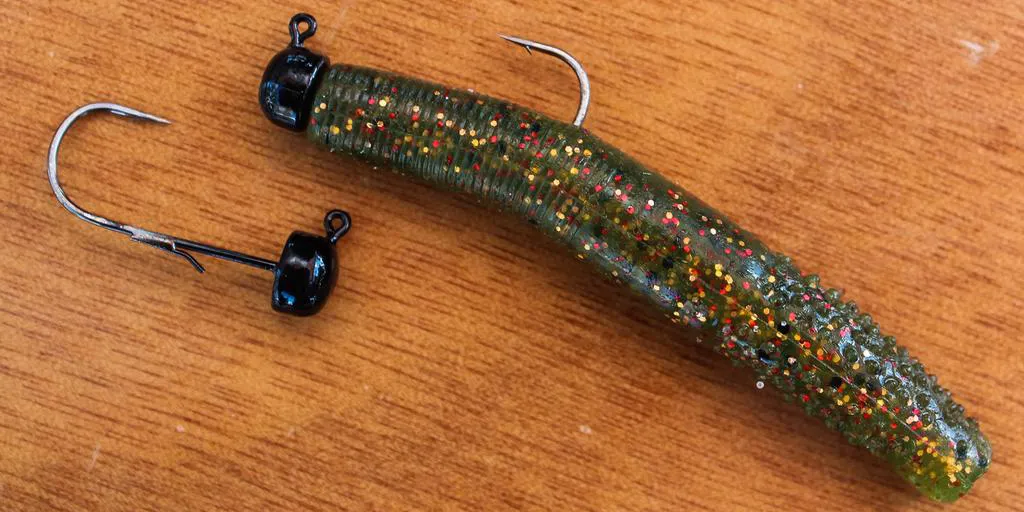
Ned rig fishing is a finesse technique that uses a small soft plastic bait paired with a light mushroom-style jig head. The rig was popularized by Midwest angler Ned Kehde, who emphasized simplicity, subtlety, and efficiency over aggressive presentations. Unlike many modern bass fishing techniques that rely on speed and reaction strikes, the Ned rig focuses on slow movement and natural behavior along the bottom.
What makes the Ned rig so effective is its ability to stand upright when resting on the bottom. This vertical posture imitates a feeding baitfish or invertebrate, triggering curiosity and strikes from fish that might otherwise ignore faster-moving lures. The technique thrives in pressured fisheries where bass have seen countless crankbaits, spinnerbaits, and soft plastics.
Another defining feature of ned rig fishing is downsizing. Smaller baits, lighter jig heads, and thinner lines allow for a more natural presentation. This approach is especially effective during cold water periods or post-frontal conditions when fish become lethargic and selective. Despite its finesse nature, the Ned rig is not limited to small fish—it regularly produces trophy bass when used correctly.
Ned Rig Components and Tackle Setup
A proper tackle setup is essential for maximizing success with ned rig fishing. Light or medium-light spinning rods between 6’6” and 7’2” provide the ideal balance of sensitivity and control. A fast-action rod helps detect subtle bites while still allowing enough flex to prevent fish from tearing free during the fight. Pair the rod with a smooth spinning reel in the 2000–2500 size range.
Line choice plays a major role in Ned rig performance. Many anglers prefer a braided main line with a fluorocarbon leader, as this combination offers sensitivity, strength, and invisibility in the water. Others opt for straight fluorocarbon for its abrasion resistance and natural sink rate. Lighter line diameters enhance the bait’s action and improve bite detection.
The jig head is the heart of the Ned rig. Mushroom-style heads in weights ranging from 1/16 to 1/5 ounce are the most common. These heads allow the bait to stand upright and glide naturally along the bottom. Soft plastics are typically short stick baits or cut-down worms made from buoyant material. Natural colors such as green pumpkin, brown, and black work well in most conditions, while brighter colors can excel in stained water.
How to Rig a Ned Rig Properly
Rigging a Ned rig correctly ensures proper action and durability. Start by threading the soft plastic straight onto the jig head, making sure it sits centered and aligned with the hook. A crooked bait can spin unnaturally and reduce your chances of getting bites. Take your time during this step, as precision matters with finesse techniques.
One common mistake anglers make is using oversized plastics. Ned rig fishing relies on subtle movements, so compact profiles are more effective. Many anglers cut standard soft plastics in half to achieve the ideal size. This not only improves presentation but also increases bait efficiency by allowing each lure to catch multiple fish.
Another key detail is hook exposure. The hook point should rest close to the bait without being buried too deeply. This setup improves hook-up ratios while still maintaining a weed-resistant profile. Proper rigging allows the Ned rig to glide, hop, and stand upright naturally, which is critical for triggering strikes from wary fish.
Ned Rig Fishing Techniques and Presentations
The effectiveness of ned rig fishing depends largely on how the bait is presented. The most common approach is a slow, bottom-oriented retrieve. Cast the rig out, let it sink to the bottom, and then gently drag or hop it back using minimal rod movement. The goal is to maintain contact with the bottom while allowing the bait to move naturally.
Deadsticking is another highly effective technique. After casting, let the bait sit motionless on the bottom for several seconds. The buoyant plastic will stand upright, creating a tempting target for nearby fish. This method works especially well in cold water or when fish are heavily pressured.
Hooksets with the Ned rig should be smooth and controlled rather than aggressive. Many bites feel like extra weight or slight resistance rather than a sharp tap. Reel down and apply steady pressure to drive the hook home. Mastering these subtle presentations is what separates successful Ned rig anglers from the rest.
When and Where to Use Ned Rig Fishing
Ned rig fishing can be effective year-round, but it truly shines during tough conditions. In winter and early spring, when fish are sluggish and unwilling to chase fast-moving lures, the Ned rig’s slow presentation becomes irresistible. During summer, it excels on deep structure and pressured waters where bass become cautious.
Rocky bottoms, gravel flats, and hard structure are ideal environments for Ned rig fishing. The mushroom jig head design allows the bait to navigate these areas without snagging excessively. It also performs well around docks, sparse grass, and transition zones where fish feed opportunistically.
Whether fishing from the bank or a boat, the Ned rig adapts easily. Bank anglers appreciate its casting accuracy and ability to cover water methodically. Boat anglers use it to target specific structures with precision. This adaptability makes the Ned rig one of the most versatile finesse techniques available.
Conclusion
Ned rig fishing proves that simplicity often outperforms complexity. With minimal gear, subtle presentations, and a patient approach, anglers can consistently catch fish in conditions where other techniques fall short. Its effectiveness across seasons, water types, and skill levels makes it a foundational method every angler should master.
By understanding proper setup, rigging, and presentation, you can unlock the full potential of the Ned rig. Whether you are targeting bass in pressured lakes or exploring new waters, this finesse technique offers reliability, efficiency, and impressive results.
Frequently Asked Questions
What is the best line for Ned rig fishing?
Light braid with a fluorocarbon leader or straight fluorocarbon works best for sensitivity and natural presentation.
Is Ned rig fishing only for bass?
No, it also catches species such as walleye, panfish, and trout.
Does Ned rig fishing work in muddy water?
Yes, using slightly brighter colors and slower retrieves can improve success in low-visibility conditions.
Can beginners use the Ned rig effectively?
Absolutely. Its simple design and forgiving presentation make it ideal for beginners.
Can you fish a Ned rig year-round?
Yes, the Ned rig is effective in all seasons, especially during tough fishing conditions.
Also Read: Bathroom Sign Out Sheet