
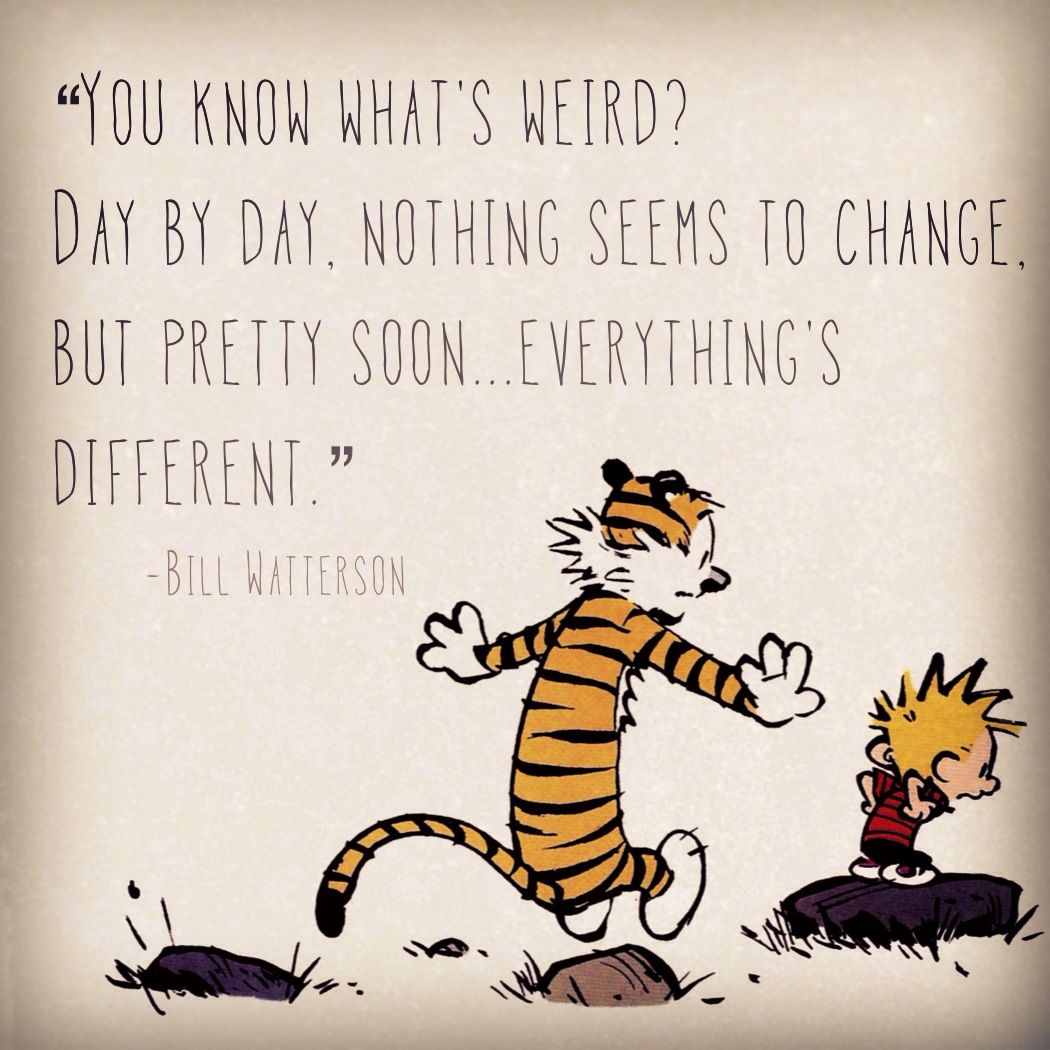
Calvin and Hobbes is far more than a simple comic strip; it is a profound reflection on life, imagination, and human nature disguised as humor. Created by Bill Watterson, the comic ran from 1985 to 1995, yet decades later, Calvin and Hobbes quotes continue to circulate widely across books, social media, posters, and everyday conversations. The brilliance of these quotes lies in their ability to appeal to both children and adults, offering laughter on the surface while delivering deeper meaning beneath. Whether it’s Calvin’s mischievous observations or Hobbes’ calm, philosophical responses, each line carries a timeless charm.
What makes Calvin and Hobbes quotes especially enduring is their relatability. They capture universal experiences—questioning authority, navigating friendships, grappling with existential thoughts, and marveling at the wonder of imagination. Readers often find themselves laughing at Calvin’s rebellious logic, only to pause and reflect on the truths hidden within his words. These quotes resonate because they articulate thoughts many people have had but never quite put into words.
In this article, we explore the depth, humor, and lasting relevance of Calvin and Hobbes quotes. From their philosophical undertones to their laugh-out-loud moments, we’ll uncover why these quotes remain beloved across generations and how they continue to inspire readers around the world.
Understanding the Philosophy Behind Calvin and Hobbes Quotes
At the heart of Calvin and Hobbes quotes lies Bill Watterson’s unique philosophical vision. Watterson used the comic strip as a medium to explore complex ideas such as morality, free will, consumerism, and the meaning of life—all through the lens of a six-year-old boy and his stuffed tiger. This contrast is what gives the quotes their power: profound observations delivered through childlike innocence. Calvin’s exaggerated confidence and Hobbes’ thoughtful wisdom create a dynamic that mirrors the internal debates many people experience throughout life.
The philosophy embedded in Calvin and Hobbes quotes often challenges societal norms. Calvin questions education systems, parental authority, and social expectations with biting sarcasm. While his logic may be flawed or exaggerated, it forces readers to reconsider accepted norms. Hobbes, on the other hand, often represents a grounded, reflective voice, offering philosophical counterpoints that bring balance to Calvin’s chaos. Together, their conversations become miniature philosophical debates that are both entertaining and enlightening.
Another defining aspect of these quotes is how they explore existential themes without becoming heavy or preachy. Topics like identity, purpose, and morality are woven seamlessly into everyday scenarios—playing in the snow, going to school, or watching television. This subtlety makes the philosophy accessible, allowing readers to engage with deep ideas naturally. As a result, Calvin and Hobbes quotes feel timeless, offering insights that remain relevant regardless of changing cultural landscapes.
Most Popular Calvin and Hobbes Quotes and Their Meanings
Many Calvin and Hobbes quotes have achieved iconic status because they capture universal truths in simple yet powerful language. Quotes about imagination, for example, highlight the beauty of seeing the world through a child’s eyes. Calvin’s declaration that “reality continues to ruin my life” humorously reflects the tension between imagination and responsibility—a struggle that resonates with both children and adults alike. Such quotes are memorable because they articulate common frustrations with wit and honesty.
Hobbes’ quotes often provide philosophical depth and emotional warmth. His reflections on friendship, happiness, and curiosity reveal a wisdom that feels surprisingly mature. When Hobbes speaks about appreciating the present moment or questioning human behavior, readers are reminded to slow down and reflect. These moments elevate the comic beyond humor, transforming it into a source of quiet insight and introspection.
What makes these popular quotes especially meaningful is their versatility. They can be humorous, comforting, or thought-provoking depending on the reader’s perspective and stage in life. A quote that once felt funny during childhood may take on new meaning in adulthood. This layered interpretation ensures that Calvin and Hobbes quotes grow alongside the reader, offering fresh insights with each revisit and reinforcing their enduring appeal.
Calvin and Hobbes Quotes About Life and Growing Up
One of the most powerful aspects of Calvin and Hobbes quotes is how they capture the experience of growing up. Calvin’s resistance to rules, homework, and bedtimes reflects a universal childhood desire for freedom. Through his words, readers are reminded of the curiosity and rebellion that often define early years. These quotes serve as a nostalgic window into childhood, evoking memories of imagination unrestrained by responsibility.
As readers mature, these same quotes begin to reveal deeper lessons about life. Calvin’s exaggerated complaints about adulthood often feel ironic when revisited later in life. What once seemed like childish whining becomes a subtle commentary on the pressures of growing up. Hobbes’ gentle observations about change, friendship, and time offer emotional grounding, reminding readers that growth is inevitable and often bittersweet.
These life-centered quotes resonate because they acknowledge both the joy and confusion of growing up. They validate feelings of uncertainty while celebrating curiosity and creativity. By blending humor with honesty, Calvin and Hobbes quotes encourage readers to reflect on their own journeys, making peace with the past while appreciating the present. This emotional depth is a key reason why the comic continues to find new audiences.
Funny Calvin and Hobbes Quotes That Still Make Us Laugh
Humor is the foundation of Calvin and Hobbes, and many of its quotes remain laugh-out-loud funny even decades later. Calvin’s dramatic exaggerations, absurd logic, and mischievous schemes create a comedic style that feels timeless. His commentary on school, for instance, satirizes education systems in a way that students across generations can relate to. These funny Calvin and Hobbes quotes work because they exaggerate real frustrations into hilarious extremes.
What sets this humor apart is its intelligence. The jokes are not merely slapstick; they often carry subtle critiques of society, parenting, and human behavior. Calvin’s observations about television, consumer culture, and authority figures are as relevant today as they were when first published. Hobbes often plays the straight man, responding with dry wit that enhances the humor while adding philosophical undertones.
The enduring laughter sparked by these quotes lies in their honesty. They reflect thoughts many people have but rarely express openly. By presenting these ideas through humor, Calvin and Hobbes quotes allow readers to laugh at themselves and the world around them. This blend of comedy and truth ensures that the humor never feels outdated or shallow.
Why Calvin and Hobbes Quotes Remain Timeless
The timeless nature of Calvin and Hobbes quotes can be attributed to their universal themes and emotional authenticity. Issues like curiosity, friendship, morality, and the search for meaning are not bound by era or culture. Bill Watterson avoided topical references that would quickly become dated, focusing instead on human experiences that remain constant. This intentional approach allows the quotes to feel just as relevant today as they did decades ago.
Another reason for their longevity is their emotional resonance. Readers often form deep connections with Calvin and Hobbes, seeing parts of themselves in both characters. The quotes evoke nostalgia, reminding adults of childhood wonder while offering children a sense of validation. In the digital age, these quotes have found new life through social media, where they are shared as memes, captions, and inspirational posts.
Ultimately, Calvin and Hobbes quotes endure because they respect the reader’s intelligence. They do not talk down to children or oversimplify complex ideas. Instead, they invite readers to think, laugh, and reflect. This balance of humor and wisdom ensures their place as timeless pieces of literary and cultural significance.
Conclusion
Calvin and Hobbes quotes stand as a testament to the power of storytelling that blends humor, imagination, and philosophy. Through simple comic panels, Bill Watterson created a body of work that continues to inspire laughter and introspection across generations. These quotes remind us to question the world, cherish curiosity, and find meaning in everyday moments.
The enduring legacy of Calvin and Hobbes lies in its ability to grow with its audience. What begins as childhood entertainment evolves into adult reflection, offering new insights with each revisit. In a fast-changing world, these quotes remain a comforting constant—timeless, wise, and endlessly relatable.
Frequently Asked Questions
What makes Calvin and Hobbes quotes so popular?
Their popularity comes from a unique blend of humor, philosophy, and relatability that appeals to readers of all ages.
Are Calvin and Hobbes quotes suitable for adults?
Yes, many quotes contain deep philosophical and emotional themes that resonate strongly with adult readers.
Who wrote Calvin and Hobbes?
The comic strip was created by Bill Watterson, an American cartoonist.
Can Calvin and Hobbes quotes be used for inspiration?
Absolutely. Many people use them for motivation, reflection, and creative inspiration.
Why did Calvin and Hobbes end?
Bill Watterson chose to end the strip in 1995 to preserve its artistic integrity and avoid creative burnout.
Also Read: Chocorooms