
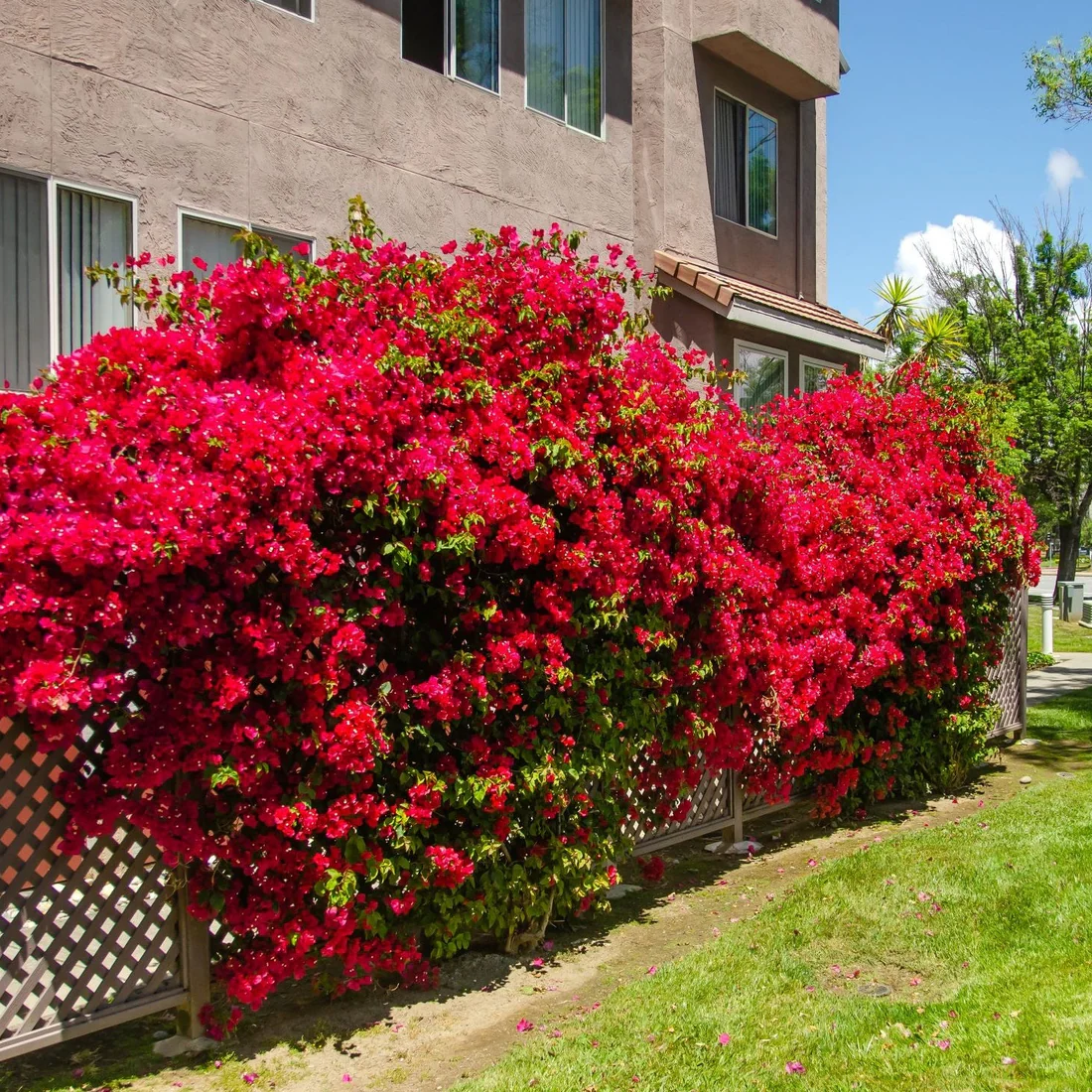
The bougainvillea plant is one of the most striking and visually captivating ornamental plants found in gardens across the world. Known for its vibrant, paper-like bracts that surround small, delicate flowers, bougainvillea adds dramatic color and texture to landscapes, balconies, terraces, and indoor spaces. Its ability to thrive in warm climates, combined with its low-maintenance nature, makes it a favorite choice for both beginner and experienced gardeners.
Originating from South America, the bougainvillea plant has become a global symbol of tropical beauty. It is widely used to decorate walls, fences, pergolas, and arches due to its climbing habit and fast growth. Beyond its aesthetic appeal, bougainvillea is also valued for its drought tolerance and adaptability, making it suitable for regions with limited water availability.
This in-depth guide explores everything you need to know about the bougainvillea plant—from understanding its varieties and growth requirements to proper care, maintenance, and landscaping uses. Whether you want to grow bougainvillea in a pot, train it as a climber, or maintain it as a flowering shrub, this article will provide practical and reliable insights to help you succeed.
Understanding the Bougainvillea Plant
The bougainvillea plant belongs to the Nyctaginaceae family and is scientifically known as Bougainvillea spp. It was named after French explorer Louis Antoine de Bougainville, who discovered the plant during an expedition in Brazil in the 18th century. Bougainvillea is a perennial plant that can grow as a vine, shrub, or small tree, depending on how it is pruned and trained.
One of the most fascinating aspects of the bougainvillea plant is that its vibrant colors are not actually flowers. The true flowers are small, white, and tubular, while the colorful parts are modified leaves known as bracts. These bracts come in a wide range of shades, including pink, purple, red, orange, yellow, and white, giving the plant its signature visual impact.
Bougainvillea plants are fast-growing and can reach impressive heights when provided with support. Some varieties can grow up to 30 feet tall, making them ideal for covering walls and trellises. Their thorny stems help them climb and protect them from grazing animals, adding to their resilience in outdoor environments.
Types and Varieties of Bougainvillea
There are over 300 varieties of bougainvillea plant available worldwide, each differing in color, size, and growth habit. Some of the most popular species include Bougainvillea glabra, Bougainvillea spectabilis, and Bougainvillea peruviana. These species are often hybridized to create new varieties with unique color combinations and improved flowering.
Dwarf bougainvillea varieties are ideal for small gardens, containers, and indoor spaces. These compact plants maintain the same vibrant appearance as larger types but require less space and pruning. They are especially popular for balcony gardens and decorative pots.
Climbing and trailing varieties are commonly used in landscaping to create dramatic vertical displays. These bougainvillea plants can be trained over pergolas, arches, fences, and walls, producing cascading blooms that enhance outdoor aesthetics. Choosing the right variety depends on your available space, climate, and intended use.
How to Grow a Bougainvillea Plant
Growing a bougainvillea plant successfully starts with understanding its natural preferences. Bougainvillea thrives in warm, tropical, and subtropical climates and requires plenty of sunlight to bloom abundantly. At least 5 to 7 hours of direct sunlight per day is essential for healthy growth and vibrant flowers.
Soil quality plays a crucial role in the development of the bougainvillea plant. Well-draining soil is essential, as the plant does not tolerate waterlogged conditions. A slightly acidic to neutral soil pH is ideal. When planting in the ground, ensure proper drainage, and for pots, choose containers with drainage holes.
Watering should be done carefully. While young plants need regular watering to establish roots, mature bougainvillea plants prefer drier conditions. Overwatering often leads to excessive leaf growth and fewer blooms. Fertilizing with a balanced or phosphorus-rich fertilizer during the growing season helps promote flowering and overall plant health.
Bougainvillea Plant Care and Maintenance
Proper care and maintenance are key to keeping a bougainvillea plant healthy and blooming year-round. Pruning is one of the most important aspects of bougainvillea care. Regular pruning helps control the plant’s size, encourages new growth, and stimulates flower production. The best time to prune is after a flowering cycle or during early spring.
Bougainvillea plants are generally resistant to pests, but they can occasionally be affected by aphids, spider mites, and caterpillars. Regular inspection and early treatment using organic or mild chemical solutions help prevent infestations from spreading. Fungal diseases may occur in overly humid or poorly ventilated conditions.
Seasonal care is also essential. During summer, the bougainvillea plant thrives with regular sunlight and controlled watering. In colder climates, winter protection is necessary, especially for potted plants. Bringing them indoors or covering outdoor plants during frost helps prevent damage and ensures healthy regrowth in spring.
Growing Bougainvillea Plant Indoors and in Pots
The bougainvillea plant can be successfully grown in pots, making it a popular choice for urban gardeners. Container-grown bougainvillea requires careful attention to pot size, soil, and drainage. A moderately sized pot helps restrict root growth, which actually encourages flowering rather than excessive foliage.
Indoor bougainvillea plants require bright sunlight, ideally near a south-facing window. Lack of light is one of the most common reasons for poor flowering indoors. Temperature stability and good air circulation are also important to prevent stress and disease.
Repotting should be done only when necessary, as bougainvillea prefers slightly root-bound conditions. With proper care, potted bougainvillea plants can bloom just as profusely as those grown in the ground, offering flexibility and decorative appeal.
Landscaping and Decorative Uses
Bougainvillea is widely used in landscaping due to its versatility and visual impact. It can be shaped into hedges, trained as climbers, or grown as standalone shrubs. Its vibrant colors make it a focal point in gardens and outdoor spaces.
In decorative design, bougainvillea plants are often used to enhance entrances, balconies, terraces, and courtyards. When paired with neutral-colored walls or structures, the plant’s blooms stand out even more. Different color varieties can be combined to create layered and dynamic visual effects.
Because of its fast growth and dense foliage, bougainvillea also provides privacy and shade when trained properly. Its ability to adapt to various design styles—from tropical to Mediterranean—makes it a favorite among landscape designers.
Benefits and Uses of Bougainvillea Plant
Beyond its ornamental value, the bougainvillea plant offers several benefits. It is drought-tolerant, making it an eco-friendly choice for water-conscious gardening. Its dense growth helps reduce soil erosion and provides shelter for birds and beneficial insects.
In traditional medicine, parts of the bougainvillea plant have been used in herbal remedies for respiratory and digestive issues, although these uses vary by culture and should be approached with caution. Additionally, its thorny structure makes it a natural barrier for fencing and property boundaries.
The bougainvillea plant’s low maintenance requirements and long flowering period make it a cost-effective and rewarding addition to any garden. With minimal effort, it delivers maximum visual impact.
Common Mistakes to Avoid
One of the most common mistakes when growing a bougainvillea plant is overwatering. Excess water leads to root rot and reduced flowering. Another frequent issue is insufficient sunlight, which results in lush green growth but very few blooms.
Improper pruning can also affect flowering. Pruning at the wrong time or cutting too aggressively may delay blooms. Understanding the plant’s growth cycle helps avoid these errors and ensures consistent flowering.
Conclusion
The bougainvillea plant is a stunning, resilient, and versatile ornamental plant that brings color and life to any space. With proper understanding of its growth requirements, care routine, and creative uses, anyone can enjoy its vibrant blooms year after year. Whether grown in gardens, pots, or as climbing displays, bougainvillea rewards gardeners with unmatched beauty and minimal upkeep.
Frequently Asked Questions
How long does a bougainvillea plant live?
Bougainvillea plants can live for several decades with proper care and favorable conditions.
Why is my bougainvillea not flowering?
Common reasons include lack of sunlight, overwatering, or excessive nitrogen fertilizer.
Can bougainvillea grow indoors?
Yes, bougainvillea can grow indoors if it receives sufficient sunlight and proper care.
How often should I water a bougainvillea plant?
Water only when the soil is dry; overwatering should be avoided.
Is bougainvillea safe for pets?
Bougainvillea has thorns and may cause mild irritation, so it’s best to keep pets away.
Also Read: Walder Education