
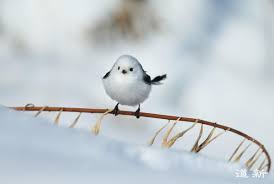
The Japanese Snow Fairy Bird has captured hearts around the world with its fluffy white appearance, tiny beak, and almost magical presence in snowy forests. Known scientifically as the Shima Enaga, this bird looks like a living snowball perched delicately on tree branches. In recent years, it has become an internet sensation, frequently featured in viral photographs, documentaries, and nature blogs, earning global admiration for its adorable charm.
Beyond its cuteness, the Japanese Snow Fairy Bird is an important part of Japan’s wildlife heritage. It represents resilience, beauty, and harmony with nature, thriving in some of the coldest regions of the country. This article explores everything you need to know about the Japanese Snow Fairy Bird, including its habitat, behavior, cultural significance, and conservation status, offering a complete guide for nature lovers and curious readers alike.
What Is the Japanese Snow Fairy Bird?
The Japanese Snow Fairy Bird is a subspecies of the Long-Tailed Tit, officially known as Aegithalos caudatus japonicus. Locally referred to as Shima Enaga, it is native to Japan and especially famous for its snow-white head and round body. The nickname “Snow Fairy” comes from its fairy-like appearance and its ability to blend seamlessly into snowy landscapes during winter.
What makes this bird truly special is its facial coloring. Unlike other long-tailed tits found in Europe or Asia, the Japanese Snow Fairy Bird lacks dark markings on its face, giving it a pure white, soft, and innocent look. This distinctive trait sets it apart and has made it one of the most photographed birds in Japan.
Despite its delicate appearance, the Japanese Snow Fairy Bird is remarkably hardy. It survives harsh winters, freezing temperatures, and heavy snowfall, proving that beauty and strength can coexist in nature.
Origin and Natural Habitat
The Japanese Snow Fairy Bird is primarily found in Hokkaido, Japan’s northernmost island. This region is known for its long, cold winters and dense forests, making it the perfect environment for this winter-loving bird. The bird inhabits mixed woodlands, birch forests, and coniferous areas where it can easily find shelter and food.
Unlike migratory birds, the Japanese Snow Fairy Bird is mostly sedentary. It remains in the same general area throughout the year, adapting its behavior according to seasonal changes. During winter, it fluffs up its feathers to retain heat, which enhances its round, snowball-like appearance.
The bird’s ability to thrive in snowy habitats highlights its incredible adaptation skills. Its natural environment not only shapes its appearance but also influences its feeding habits, social behavior, and survival strategies.
Appearance and Physical Traits
One of the most striking features of the Japanese Snow Fairy Bird is its appearance. It has a tiny body, a long tail, and extremely soft feathers that trap warm air during cold weather. Its white head, combined with subtle gray and black tones on its wings, creates a visually stunning contrast against snowy backgrounds.
During winter, the bird appears even fluffier as it puffs up its feathers for insulation. This seasonal transformation is one reason photographers and wildlife enthusiasts are especially eager to spot the Japanese Snow Fairy Bird during colder months. Juveniles may have slightly darker markings, but they gradually develop the iconic white face as they mature.
Despite its small size, the bird’s expressive eyes and delicate movements make it unforgettable. Its appearance perfectly explains why it is often described as a “fairy” rather than just a bird.
Behavior and Lifestyle
The Japanese Snow Fairy Bird is highly social and is rarely seen alone. It typically moves in small flocks, especially during winter, which helps with warmth and protection from predators. These flocks communicate through soft, high-pitched calls, maintaining close contact as they move through trees.
The bird is active during daylight hours, constantly hopping between branches in search of food. Its playful movements and curiosity add to its charm, making it a joy to observe in the wild. Despite its gentle nature, it is alert and cautious, quickly reacting to potential threats.
Cooperation is a key part of its lifestyle. From feeding to nesting, the Japanese Snow Fairy Bird often relies on group behavior, demonstrating strong social bonds within its flock.
Diet and Feeding Habits
The diet of the Japanese Snow Fairy Bird mainly consists of insects, spiders, seeds, and small berries. During warmer months, insects make up a large portion of its diet, providing essential protein for growth and breeding. In winter, when insects are scarce, it relies more on seeds and tree buds.
Foraging is done actively and skillfully. The bird uses its small beak to pick food from tree bark and branches, even in snowy conditions. Its lightweight body allows it to move easily without disturbing snow-covered surfaces.
By feeding on insects, the Japanese Snow Fairy Bird plays an important role in maintaining ecological balance. It helps control insect populations, contributing positively to forest ecosystems.
Breeding and Reproduction
Breeding season begins in spring when temperatures rise and food becomes more abundant. The Japanese Snow Fairy Bird builds intricate, dome-shaped nests using moss, feathers, spider silk, and lichen. These nests are masterpieces of natural architecture, designed to provide warmth and protection.
Females typically lay multiple eggs, and both parents participate in incubation and feeding. In some cases, helper birds from the flock assist in raising the chicks, a behavior known as cooperative breeding.
This shared responsibility increases the survival rate of the young and strengthens social bonds within the group. The breeding habits of the Japanese Snow Fairy Bird reflect its strong sense of community and cooperation.
Cultural Significance in Japan
In Japan, the Japanese Snow Fairy Bird is more than just wildlife—it is a cultural icon. It symbolizes purity, happiness, and the beauty of winter. The bird frequently appears in artwork, souvenirs, stationery, and even seasonal desserts inspired by its round shape.
Tourism in Hokkaido has benefited from the bird’s popularity, with many visitors hoping to catch a glimpse of the Snow Fairy in its natural habitat. Nature documentaries and social media have further amplified its fame, turning it into a global symbol of Japan’s natural beauty.
The bird’s gentle presence reminds people of the importance of preserving nature and appreciating small wonders in the world.
Conservation Status and Threats
Currently, the Japanese Snow Fairy Bird is not considered endangered. However, it faces potential threats from habitat loss, climate change, and deforestation. Changes in snowfall patterns and rising temperatures could affect its food sources and nesting behavior.
Conservation efforts focus on protecting forest habitats and raising awareness about the importance of biodiversity. Responsible tourism and ethical wildlife photography also play a role in ensuring the bird’s safety.
Protecting the Japanese Snow Fairy Bird means preserving not just a species, but an entire ecosystem that supports countless forms of life.
Conclusion
The Japanese Snow Fairy Bird is a true marvel of nature, combining charm, resilience, and ecological importance in one tiny creature. From its snowy habitat in Hokkaido to its cultural impact across Japan and beyond, this bird continues to inspire awe and admiration.
Understanding and protecting the Japanese Snow Fairy Bird helps us appreciate the delicate balance of nature. Its story reminds us that even the smallest beings can have a profound impact on our hearts and our environment.
Frequently Asked Questions
What is the real name of the Japanese Snow Fairy Bird?
It is officially known as Shima Enaga, a subspecies of the Long-Tailed Tit.
Where does the Japanese Snow Fairy Bird live?
It primarily lives in Hokkaido, Japan, in forests and snowy woodlands.
Why is it called the Snow Fairy Bird?
Because of its fluffy white appearance and magical presence in winter landscapes.
What does the Japanese Snow Fairy Bird eat?
It eats insects, spiders, seeds, and small berries.
Is the Japanese Snow Fairy Bird rare?
It is not rare, but it is region-specific and mainly found in northern Japan.
Can it survive extreme cold?
Yes, it is highly adapted to cold climates and harsh winters.
Also Read: Best Saltwater Spinning Reels