
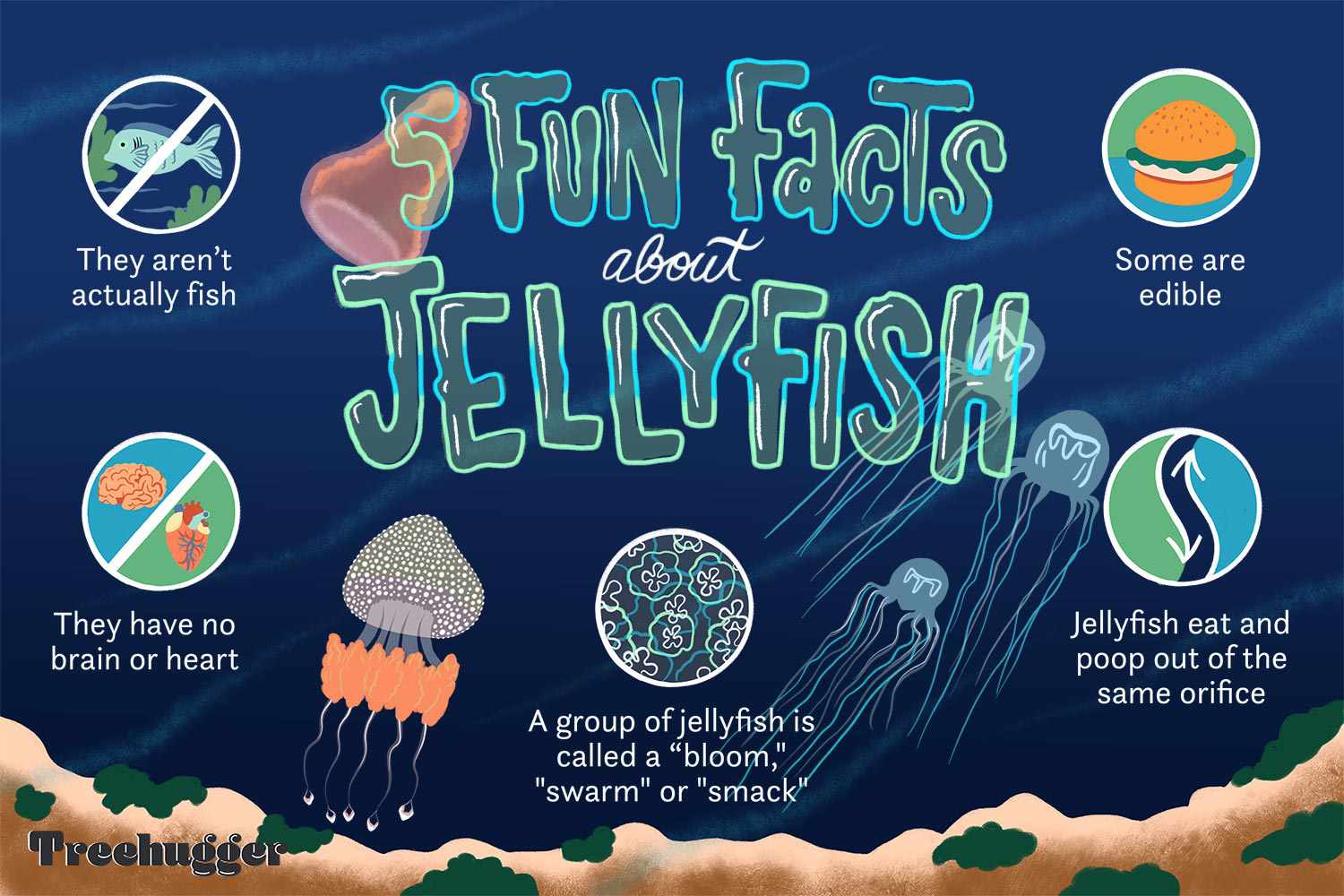
Jellyfish are among the most fascinating and misunderstood animals found in the ocean, and learning Fun Facts About Jellyfish can completely change the way we look at these floating creatures. With their transparent bodies, slow rhythmic movements, and glowing appearances, jellyfish seem almost unreal. Many people think of them only as dangerous or annoying sea animals, but in reality, they are some of the oldest and most successful organisms on Earth.
When we explore Fun Facts About Jellyfish, we discover that they have survived for hundreds of millions of years without brains, hearts, or bones. Their simple yet effective body design has allowed them to adapt to extreme environments, from shallow coastal waters to the deepest parts of the ocean. This article dives deep into the surprising world of jellyfish and reveals why they continue to amaze scientists and ocean lovers alike.
What Are Jellyfish?
Jellyfish are marine invertebrates that belong to the phylum Cnidaria. Despite their name, they are not fish at all. They do not have gills to breathe, fins to swim, or scales to protect their bodies. Instead, jellyfish have a soft, umbrella-shaped bell and long tentacles that trail behind them in the water. These tentacles contain specialized stinging cells that help them catch prey and defend against predators.
Most jellyfish are made up of nearly 95 percent water, which gives them their jelly-like appearance. This lightweight structure allows them to float easily and move with ocean currents. Jellyfish are found in oceans all around the world, from warm tropical seas to icy polar waters. Some species even live in deep-sea environments where sunlight never reaches, proving how adaptable these creatures truly are.
Fun Facts About Jellyfish You’ll Love
One of the most interesting Fun Facts About Jellyfish is that they existed long before dinosaurs. Fossil evidence suggests jellyfish have been around for more than 500 million years. Their ancient origins make them living fossils of the ocean. While many species evolved or went extinct, jellyfish remained almost unchanged, showing how effective their body structure is for survival.
Another surprising fact is that jellyfish do not have a brain or central nervous system. Instead, they rely on a simple nerve net that allows them to respond to light, touch, and chemicals in the water. Even without a brain, jellyfish can hunt, escape predators, and survive in complex marine environments. This unique biology continues to fascinate marine scientists around the world.
Strange and Surprising Jellyfish Abilities
Among the most unbelievable Fun Facts About Jellyfish is the existence of the immortal jellyfish. This tiny species has the rare ability to revert back to its juvenile form after reaching adulthood. Instead of dying, it essentially restarts its life cycle. Under ideal conditions, this process can happen repeatedly, making it biologically immortal and one of the most extraordinary animals on the planet.
Jellyfish also move in a very unusual way. Rather than swimming like fish, they pulse their bell-shaped bodies to push water behind them. This method uses very little energy, making jellyfish one of the most efficient movers in the ocean. Their low-energy lifestyle allows them to survive even when food is scarce, giving them a major advantage in changing marine environments.
Jellyfish Colors, Shapes, and Sizes
If you explore Fun Facts About Jellyfish, you’ll quickly realize how diverse they are in appearance. Some jellyfish are completely transparent, while others display vibrant colors like pink, blue, purple, and orange. Certain species can even glow in the dark through a process called bioluminescence, which helps them confuse predators or attract prey.
Jellyfish also vary greatly in size. The smallest species can be as tiny as a grain of rice, while the largest, such as the lion’s mane jellyfish, can have tentacles stretching over 100 feet long. This incredible variety in shape and size shows that jellyfish are far more complex and diverse than most people imagine.
Fun Facts About Jellyfish Stings
When people hear Fun Facts About Jellyfish, stings are usually the first thing that comes to mind. Jellyfish sting using tiny cells called nematocysts, which inject venom when touched. These stings are mainly used to paralyze small prey like fish and plankton. For humans, most jellyfish stings cause mild pain, redness, or itching.
However, not all jellyfish are harmless. Some species, such as the box jellyfish, have extremely powerful venom that can be life-threatening. An important fact many people don’t know is that jellyfish tentacles can still sting even after the jellyfish is dead. That’s why touching jellyfish washed up on the beach can still be dangerous.
Jellyfish in Nature and Popular Culture
Jellyfish play an important role in ocean ecosystems. They help control plankton populations and serve as food for animals like sea turtles and sunfish. In some parts of the world, jellyfish are also considered a delicacy and are eaten after careful preparation.
Beyond nature, jellyfish have inspired artists, filmmakers, and scientists. Their graceful movements and glowing bodies appear in movies, aquariums, fashion, and artwork. Jellyfish also help researchers study ocean health, climate change, and marine biodiversity.
Conclusion
Learning Fun Facts About Jellyfish helps us see these creatures as more than just ocean drifters with painful stings. They are ancient, resilient, and essential to marine ecosystems. From glowing in the dark to potentially living forever, jellyfish challenge our understanding of life in the ocean.
As research continues, jellyfish will likely reveal even more secrets. By appreciating their role in nature, we can better understand the balance of ocean life and the incredible diversity hidden beneath the waves.
Frequently Asked Questions
What are some fun facts beginners should know?
One of the best Fun Facts About Jellyfish is that they are mostly made of water and do not have brains or hearts.
Are jellyfish really immortal?
One species, the immortal jellyfish, can restart its life cycle under the right conditions.
Are jellyfish dangerous to humans?
Most jellyfish are harmless, but a few species have dangerous venom.
Why do some jellyfish glow in the dark?
They glow due to bioluminescence, which helps with defense and survival.
Also Read: Aqueon