
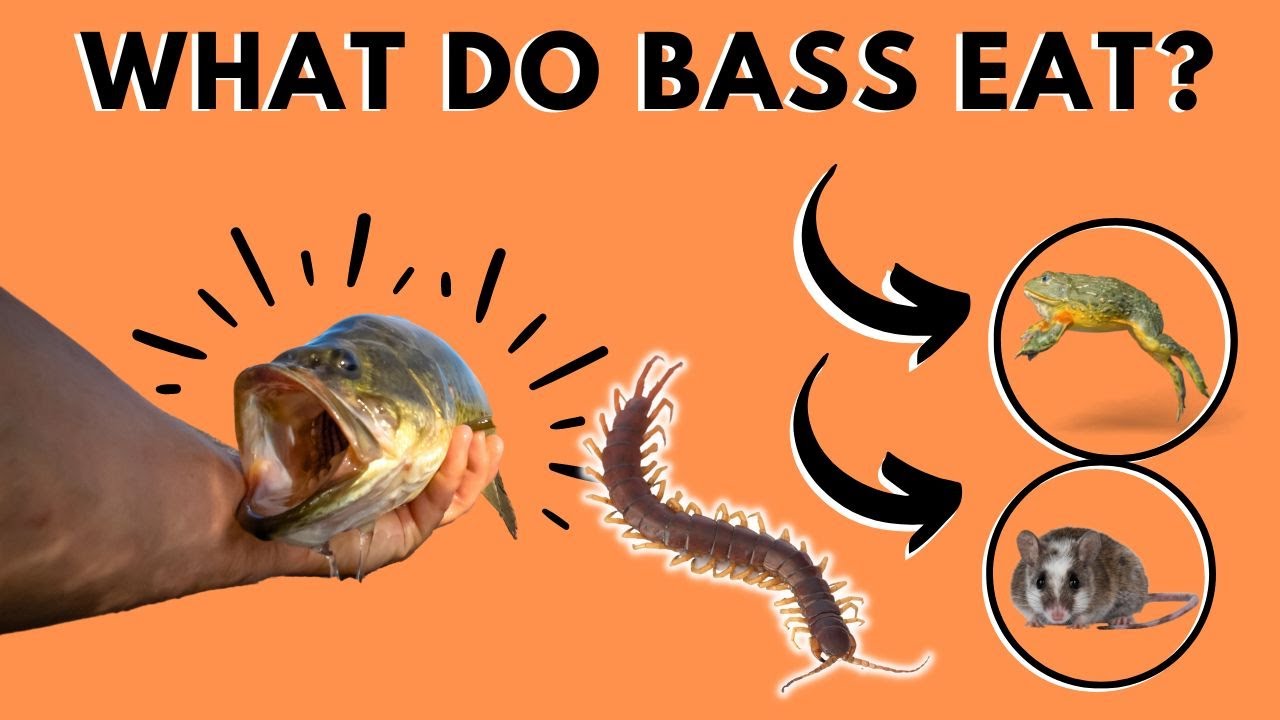
What Do Bass Eat Bass are among the most popular freshwater game fish in the world, admired for their aggressive strikes, powerful fights, and adaptability to different aquatic environments. Whether you are an angler trying to improve your catch rate, a pond owner managing fish populations, or simply a nature enthusiast, understanding what do bass eat is essential. Their diet plays a major role in how fast they grow, where they live, and how actively they feed throughout the year.
Bass are opportunistic predators, meaning they eat whatever food source is most available and easiest to catch. Their feeding habits are shaped by water temperature, habitat, season, and prey availability. Because of this, the bass diet is incredibly diverse and can change dramatically over time. From microscopic organisms in their early life to fish, frogs, and crustaceans as adults, bass are efficient and adaptable hunters.
Knowing what bass eat also helps anglers select the right bait and lures. When your presentation closely mimics a bass’s natural prey, your chances of success increase significantly. In this article, we will explore what bass eat at different life stages, in various water bodies, across seasons, and under changing water conditions, providing a complete and easy-to-understand guide.
Understanding Bass Species and Their Diet Differences
There are several species of bass, but the most common are largemouth bass, smallmouth bass, and spotted bass. While they share many feeding traits, each species has unique dietary preferences influenced by habitat and behavior. Largemouth bass are typically found in lakes, ponds, and slow-moving waters with heavy vegetation. Their diet often includes fish, frogs, insects, and even small animals that fall into the water.
Smallmouth bass prefer clearer, cooler waters such as rivers and rocky lakes. They rely heavily on crayfish, aquatic insects, and small fish. Because they live in areas with stronger currents, smallmouth bass are more active feeders and often chase prey rather than ambush it. Spotted bass fall somewhere in between, feeding on baitfish, insects, and crustaceans depending on their environment.
Understanding these species differences is important when analyzing what do bass eat in specific locations. Habitat structure, water clarity, and forage availability all influence their food choices. While all bass are carnivorous, their exact diet reflects the ecosystem they live in and the competition they face from other predators.
What Do Bass Eat at Different Life Stages
Bass diet changes significantly as they grow. Bass fry, which are newly hatched, begin life feeding on microscopic organisms such as zooplankton. At this stage, survival depends on having abundant tiny food sources, as fry lack the size and strength to capture larger prey. As they grow into juveniles, their diet expands to include insect larvae, small aquatic insects, and tiny crustaceans.
Once bass reach adulthood, their feeding habits shift dramatically. Adult bass primarily eat other fish such as minnows, shad, bluegill, and perch. Fish provide the high protein and energy content needed for growth and reproduction. In addition to fish, adult bass consume crayfish, frogs, tadpoles, and large insects. In some cases, bass will even eat smaller bass, showing cannibalistic behavior when food is limited.
This progression explains why understanding what do bass eat at each life stage is crucial for fisheries management. A healthy bass population requires a balanced food chain, starting with plankton and extending to abundant forage fish.
What Do Bass Eat in Different Water Bodies
The type of water body plays a major role in determining what bass eat. In lakes and reservoirs, bass often feed on open-water baitfish such as shad and alewife, especially in deeper areas. Around shorelines and vegetation, they target bluegill, frogs, and insects. The wide variety of prey in lakes allows bass to grow large and maintain diverse feeding habits.
In rivers and streams, bass diet is influenced by current and structure. Small fish, crayfish, and aquatic insects make up a large portion of their meals. River bass are skilled at positioning themselves behind rocks and logs to ambush prey drifting with the current. This environment favors fast, efficient feeding.
In ponds and small bodies of water, bass have fewer food options. They commonly eat bluegill, insects, and sometimes each other. Limited forage can lead to stunted growth if the ecosystem is unbalanced. Understanding what do bass eat in each water body helps anglers and pond owners make better decisions about stocking and management.
Seasonal Feeding Patterns of Bass
Bass feeding behavior changes with the seasons. In spring, bass feed aggressively as water temperatures rise and spawning approaches. They consume fish, crayfish, and insects to build energy reserves. This is one of the best times to observe active feeding behavior.
During summer, bass eat frequently but may feed during early morning and late evening to avoid heat. Their diet remains focused on fish, frogs, and insects. In fall, bass enter a feeding frenzy, consuming large amounts of food to prepare for winter. Baitfish become a primary target during this period.
In winter, bass metabolism slows, and they eat less often. Their diet still includes fish and crayfish, but feeding is more opportunistic. Understanding seasonal patterns provides valuable insight into what do bass eat throughout the year.
Bass Feeding Behavior and Hunting Techniques
Bass are ambush predators that rely on stealth and explosive speed. They use cover such as weeds, rocks, docks, and fallen trees to hide and wait for prey. When an opportunity arises, bass strike quickly, swallowing prey whole. This hunting style allows them to conserve energy while remaining effective predators.
Bass also adjust their feeding based on time of day. During daylight, they often feed near cover, while at night they may move into shallow areas to hunt. Their excellent lateral line system helps them detect vibrations, making them efficient hunters even in murky water.
These behaviors explain why bass respond well to lures that imitate injured or fleeing prey. Knowing how bass hunt adds depth to the understanding of what do bass eat and how they capture their food.
Conclusion
So, what do bass eat? The answer is complex but fascinating. Bass are adaptable predators whose diet changes based on species, life stage, habitat, season, and environmental conditions. From microscopic plankton as fry to fish, frogs, and crayfish as adults, bass consume a wide variety of prey to survive and thrive.
Understanding bass diet is valuable for anglers, fishery managers, and anyone interested in freshwater ecosystems. It improves fishing success, supports conservation efforts, and helps maintain healthy aquatic environments. By learning what bass eat and why, you gain deeper insight into one of freshwater’s most iconic predators.
Frequently Asked Questions
What do bass eat most often?
Bass most commonly eat other fish, such as minnows, bluegill, and shad.
Do bass eat insects?
Yes, especially juvenile bass and adult bass when insects are abundant.
What do bass eat in winter?
They eat less frequently, targeting slow-moving fish and crayfish.
Do bass eat frogs?
Yes, frogs and tadpoles are a favorite food, especially for largemouth bass.
How often do bass eat?
Bass may eat daily in warm seasons but less often in cold water.
Do bass eat plants?
No, bass are carnivores and do not eat vegetation.
What do bass eat in ponds?
They commonly eat bluegill, insects, and sometimes smaller bass.
What do bass eat at night?
Bass often hunt baitfish and insects in shallow areas after dark.
Also Read: Eclectus Parrot