
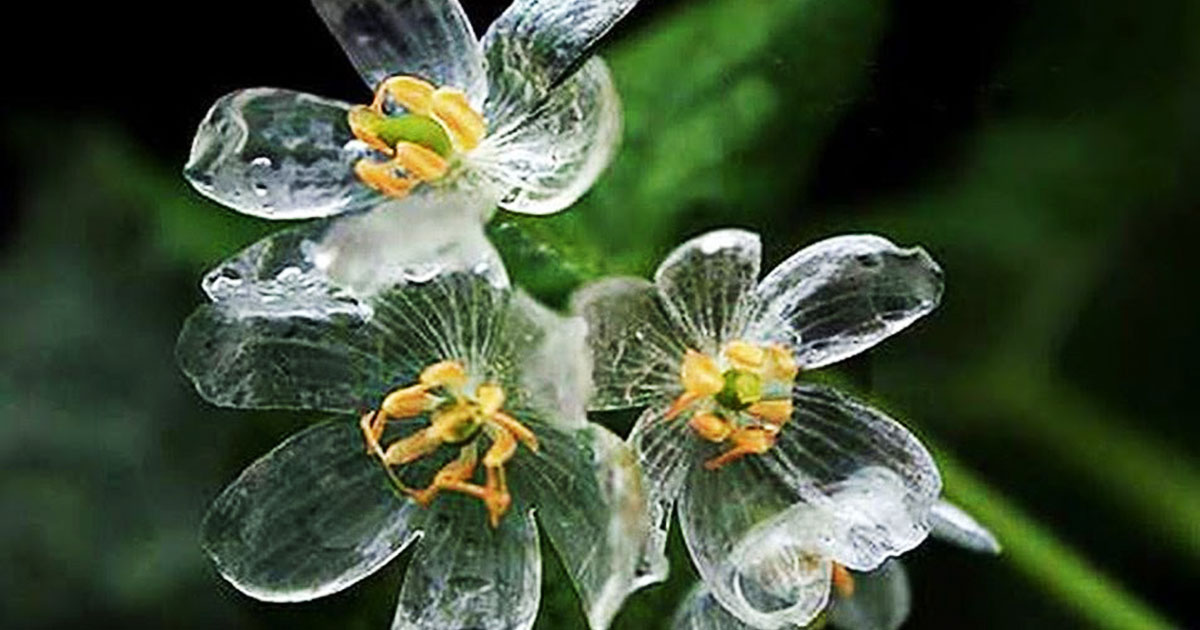
What Happens to the Skeleton Flower When It Rains Nature is full of surprises, but few are as visually striking and almost magical as the skeleton flower. At first glance, this delicate white flower appears ordinary, blending quietly into the forest landscapes where it grows. However, the true wonder begins when rain starts to fall. What happens to the skeleton flower when it rains is a phenomenon that feels more like science fiction than botany. Its petals, once opaque and soft white, suddenly turn transparent, revealing a lace-like network of dark veins beneath. This transformation has fascinated scientists, photographers, gardeners, and nature lovers around the world.
The skeleton flower, scientifically known as Diphylleia grayi, offers a powerful reminder that plants are far more dynamic than we often assume. Rain does not simply nourish this flower; it dramatically alters its appearance in a way that few other plants can replicate. This article explores what happens to the skeleton flower when it rains, the science behind its transformation, where it can be found, and why this rare phenomenon matters. By understanding this botanical marvel, we gain a deeper appreciation for the hidden intelligence and adaptability of the natural world.
Understanding the Skeleton Flower
The skeleton flower, or Diphylleia grayi, is a woodland plant native to cool, mountainous regions of East Asia, particularly Japan, China, and parts of the Appalachian Mountains in the United States. Under dry conditions, the flower looks modest and elegant, with small white petals arranged around a central core. Its leaves are broad and umbrella-like, offering shade and protection to the delicate bloom beneath. During its blooming season, typically late spring to early summer, the skeleton flower quietly thrives in shaded forests with rich, moist soil.
What makes the skeleton flower unique is not just its appearance, but its structure. Unlike many flowers that rely on bright colors to attract attention, the skeleton flower’s beauty is subtle. The petals contain loosely packed cells that scatter light, giving them a milky white appearance when dry. This structure sets the stage for the dramatic change that occurs during rainfall. While many plants simply droop or close their petals when wet, the skeleton flower responds in a way that seems almost intentional, transforming rain from a challenge into a visual spectacle.
What Happens to the Skeleton Flower When It Rains
When rain falls on the skeleton flower, an extraordinary transformation begins almost immediately. The white petals absorb water, and as they become saturated, they lose their ability to scatter light. As a result, the petals turn transparent, resembling delicate glass. This is the defining answer to the question of what happens to the skeleton flower when it rains. The dark vein structure of the petals becomes clearly visible, giving the flower its “skeleton” appearance and inspiring its common name.
This transformation is not caused by pigments or chemical reactions, but by physics. Water fills the tiny air spaces within the petal cells, changing how light passes through them. Instead of reflecting light back to the viewer, the petals allow light to pass straight through. The effect is both sudden and mesmerizing, making the flower appear fragile and otherworldly. Importantly, this change is temporary. Once the rain stops and the petals dry, air returns to the cells, and the flower gradually regains its original white color.
The Science Behind the Transparent Transformation
The science behind what happens to the skeleton flower when it rains lies in the interaction between water and light. Dry petals contain microscopic air pockets that scatter incoming light in many directions, which is why they appear white. When rainwater fills these air pockets, the difference in refractive index between the petal tissue and its surroundings decreases. As a result, light is no longer scattered but transmitted, making the petals transparent.
This phenomenon is similar to how frosted glass becomes clear when coated with water. The skeleton flower is one of the few plants that displays this effect so dramatically and visibly. Scientists believe this trait may have evolved as a protective adaptation. Transparent petals could reduce visibility to certain predators or help prevent damage during heavy rainfall. Although research is still ongoing, the skeleton flower has become a valuable subject in studies of plant structure, light behavior, and adaptive evolution.
Why the Skeleton Flower Reacts This Way
The exact evolutionary advantage of the skeleton flower’s rain-induced transparency is not fully understood, but several theories exist. One possibility is camouflage. When the petals turn transparent, the flower blends more easily into its surroundings, potentially avoiding herbivores during wet conditions when feeding activity may increase. Another theory suggests that transparency helps prevent petal damage by allowing rainwater to pass through rather than pooling on the surface.
Environmental factors also play a significant role in how clearly the transformation occurs. The intensity of rainfall, humidity levels, and temperature all influence how transparent the petals become. In light rain or mist, the change may be subtle, while heavy rainfall can make the petals almost completely clear. This sensitivity to environmental conditions highlights the skeleton flower’s deep connection to its habitat and reinforces why it thrives best in undisturbed, moist forest ecosystems.
Where and When You Can See This Phenomenon
Seeing what happens to the skeleton flower when it rains is a rare experience, largely because the plant grows in specific environments. It is most commonly found in shaded mountain forests with cool temperatures and consistent moisture. In Japan, the skeleton flower is especially admired and often photographed during the rainy season. In the United States, it can be found in select regions of the Appalachian Mountains, though sightings are less common.
The best time to observe the transformation is during the blooming season, typically from late spring to early summer, coinciding with frequent rainfall. Nature enthusiasts and photographers often wait patiently for rain showers to witness the petals turning transparent. Because the flower is sensitive to disturbance, ethical observation is important. Viewing and photographing the skeleton flower without touching or picking it helps preserve this rare botanical wonder for future generations.
Cultural and Scientific Significance
Beyond its physical beauty, the skeleton flower holds symbolic meaning in various cultures. Its transformation is often associated with themes of impermanence, resilience, and hidden beauty. In art and literature, the skeleton flower is sometimes used as a metaphor for emotional transparency or the idea that true nature is revealed under pressure, much like the petals reveal their veins in the rain.
Scientifically, the skeleton flower plays an important role in botanical education and research. It serves as a real-world example of how plant structures interact with environmental factors like water and light. Studying what happens to the skeleton flower when it rains helps scientists better understand plant adaptation and inspires innovation in materials science, particularly in developing transparent or water-responsive materials.
Conclusion
What happens to the skeleton flower when it rains is one of nature’s most captivating transformations. Through a simple interaction between water and petal structure, this unassuming flower becomes a living demonstration of physics, biology, and beauty combined. Its temporary transparency reminds us that nature often hides its most remarkable secrets in quiet places, waiting for the right conditions to reveal them.
The skeleton flower is more than a visual curiosity; it is a symbol of adaptation, resilience, and the intricate design of the natural world. By learning about and appreciating this rare phenomenon, we deepen our respect for plant life and the ecosystems that support it. Preserving such wonders ensures that future generations can continue to marvel at the magic that unfolds when rain meets petals.
Frequently Asked Questions
What happens to the skeleton flower when it rains?
When it rains, the skeleton flower’s white petals absorb water and turn transparent, revealing dark vein patterns beneath.
Why does the skeleton flower turn transparent?
The petals become transparent because water fills tiny air spaces in the cells, changing how light passes through them.
How long does the transparency last?
The petals remain transparent only while they are wet. Once they dry, they return to their original white color.
Where can the skeleton flower be found?
It grows in cool, shaded mountain forests in East Asia and parts of the Appalachian Mountains.
Can the skeleton flower be grown at home?
It is difficult to grow due to its specific climate and soil requirements, making it better suited to natural habitats.
Is the skeleton flower endangered?
While not officially endangered, it is rare and sensitive to habitat disruption, so conservation is important.
Also Read: nv5