
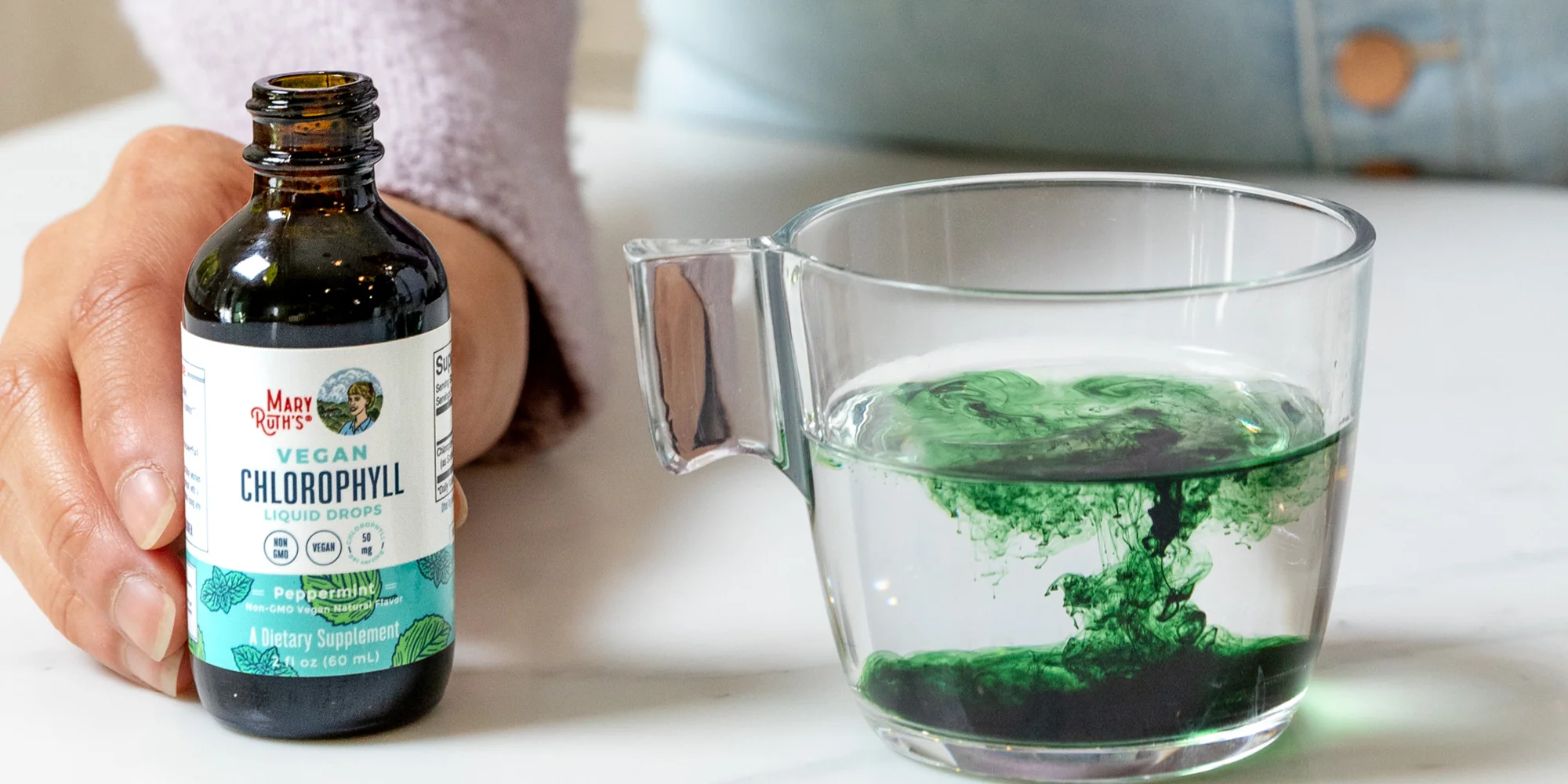
Chlorophyll drops have quickly emerged as one of the most talked-about wellness supplements, especially among individuals seeking natural ways to support detox, skin health, and overall vitality. Derived from the green pigment found in plants, chlorophyll is essential for photosynthesis, but its potential benefits for humans have sparked growing interest in recent years. Social media trends, wellness influencers, and holistic health practitioners have all contributed to the rising popularity of liquid chlorophyll supplements.
Unlike simply eating leafy greens, chlorophyll drops offer a concentrated and convenient way to incorporate this plant compound into daily routines. People are drawn to the idea of “drinking greens” in liquid form, believing it may help cleanse the body, improve digestion, and promote a healthy glow from within. However, with popularity comes confusion, misinformation, and exaggerated claims.
This in-depth guide explores chlorophyll drops from every angle. You’ll learn what chlorophyll drops are, how they work in the body, their potential benefits, scientific evidence, proper usage, safety considerations, and how to choose a quality product. By the end, you’ll have a balanced, well-informed understanding to decide whether chlorophyll drops fit into your wellness routine.
What Are Chlorophyll Drops?
Chlorophyll drops are liquid supplements that contain chlorophyll or, more commonly, chlorophyllin—a water-soluble derivative of natural chlorophyll. In plants, chlorophyll is responsible for capturing sunlight and converting it into energy, giving plants their green color. Since natural chlorophyll is fat-soluble and unstable for supplements, manufacturers typically use chlorophyllin, which is more stable and easier for the body to absorb.
These drops are usually made by extracting chlorophyll from green plants such as alfalfa, spinach, or mulberry leaves and then converting it into liquid form. The result is a deep green solution that can be added to water, juices, or smoothies. Most chlorophyll drops have a mild, minty or earthy flavor, depending on the formulation and added ingredients.
Chlorophyll drops differ from capsules or powders in terms of absorption and convenience. Liquid supplements are often absorbed more quickly, making them appealing for people who prefer fast-acting wellness solutions. They are commonly marketed as vegan, gluten-free, and free from artificial additives, although quality can vary significantly between brands.
How Chlorophyll Drops Work in the Body
Once consumed, chlorophyll drops are absorbed through the digestive system and distributed throughout the body. Chlorophyllin is believed to bind to toxins and unwanted compounds in the gut, helping the body eliminate them more efficiently. This binding action is one reason chlorophyll drops are often associated with detoxification and internal cleansing.
Chlorophyll also has antioxidant properties, meaning it helps neutralize free radicals that can cause oxidative stress. Oxidative stress is linked to aging, inflammation, and various chronic conditions. By reducing this stress, chlorophyll drops may support overall cellular health and resilience.
Another proposed mechanism involves oxygen support and blood health. Structurally, chlorophyll is similar to hemoglobin, the molecule responsible for carrying oxygen in red blood cells. While chlorophyll does not directly increase oxygen levels, some researchers believe it may support healthy blood function indirectly. These combined actions—detox support, antioxidant activity, and digestive interaction—help explain why chlorophyll drops are associated with multiple wellness benefits.
Health Benefits of Chlorophyll Drops
One of the most commonly cited benefits of chlorophyll drops is detoxification. Supporters claim that chlorophyll helps cleanse the body by binding to toxins, heavy metals, and other harmful compounds, especially in the digestive tract. This may contribute to improved gut health and more regular digestion when combined with a balanced diet.
Skin health is another major reason people turn to chlorophyll drops. Chlorophyll’s anti-inflammatory and antibacterial properties may help reduce acne-causing bacteria and support clearer skin. Some users report improvements in skin clarity, reduced redness, and a healthier glow after consistent use, though results vary.
Additionally, chlorophyll drops are often associated with internal deodorizing effects. Studies suggest chlorophyllin may help reduce body odor, including bad breath and sweat odor, by neutralizing odor-causing compounds. Other potential benefits include immune support, improved energy levels, and antioxidant protection, making chlorophyll drops a versatile addition to many wellness routines.
Scientific Evidence and Research
Scientific research on chlorophyll drops is promising but still limited. Several studies have examined chlorophyllin’s ability to bind carcinogens and reduce toxin absorption in the body. These findings suggest potential protective effects, particularly related to digestive and liver health.
Research has also explored chlorophyll’s antibacterial and anti-inflammatory properties, which may explain its benefits for skin health and wound healing. However, many claims surrounding chlorophyll drops—such as rapid weight loss or dramatic detox—are not strongly supported by clinical evidence.
Most experts agree that chlorophyll drops can be a supportive supplement but should not replace a nutrient-rich diet or medical treatment. More large-scale human studies are needed to fully understand the long-term effects and optimal dosages. Consumers should view chlorophyll drops as part of a holistic lifestyle rather than a miracle solution.
How to Use Chlorophyll Drops
Chlorophyll drops are typically taken by adding a recommended number of drops—usually one teaspoon or less—to a glass of water. Many people prefer drinking it first thing in the morning to support digestion or throughout the day for hydration and freshness.
Dosage varies by brand, so it’s essential to follow label instructions. Starting with a lower dose helps assess tolerance and minimize side effects. Some users mix chlorophyll drops with lemon water, smoothies, or herbal teas to enhance flavor and absorption.
Consistency is key when using chlorophyll drops. While some people notice benefits within days, others may require several weeks of regular use. Cycling the supplement or taking occasional breaks can also help prevent overuse and maintain balance.
Potential Side Effects and Safety Considerations
Although chlorophyll drops are generally considered safe, they can cause mild side effects in some individuals. These may include digestive discomfort, diarrhea, or green discoloration of stool. In rare cases, nausea or sensitivity may occur, especially with high doses.
People who are pregnant, breastfeeding, or taking medications should consult a healthcare professional before using chlorophyll drops. Chlorophyllin may interact with certain medications or conditions, making professional guidance important.
It’s also crucial to choose high-quality products to avoid contaminants or unnecessary additives. When used responsibly and in moderation, chlorophyll drops are safe for most healthy adults and can be a beneficial addition to a wellness routine.
Conclusion
Chlorophyll drops offer a convenient and concentrated way to experience the potential benefits of this powerful plant compound. From detox support and skin health to antioxidant protection and internal deodorizing effects, chlorophyll drops have earned their place in the modern wellness conversation. However, realistic expectations and informed use are essential.
While scientific evidence supports some benefits, chlorophyll drops work best when combined with a healthy diet, proper hydration, and balanced lifestyle habits. They are not a cure-all but can serve as a supportive supplement for overall well-being. With mindful usage and quality selection, chlorophyll drops can be a valuable tool for those seeking natural health support.
Frequently Asked Questions
What do chlorophyll drops taste like?
They usually have a mild, earthy or minty flavor, depending on the brand.
How long does it take to see results?
Some people notice benefits within a week, while others may take several weeks.
Can chlorophyll drops help with acne?
They may support clearer skin due to antibacterial and anti-inflammatory properties.
Are chlorophyll drops safe for daily use?
Yes, when used as directed and in moderation.
Do chlorophyll drops stain teeth?
Diluting them properly reduces the risk of staining.
Are chlorophyll drops vegan?
Most are plant-based, but always check the label for confirmation.
Also Read: UCSF MyChart